Starry Night(s): “The Work of Art in the Age of Mechanical Reproduction.”
How the mechanical reproduction of art led to World War II
We must expect great innovations to transform the entire technique of the arts, thereby affecting artistic invention itself and perhaps even bringing about an amazing change in our very notion of art. – Paul Valery
From Cult Value to Exhibition Value
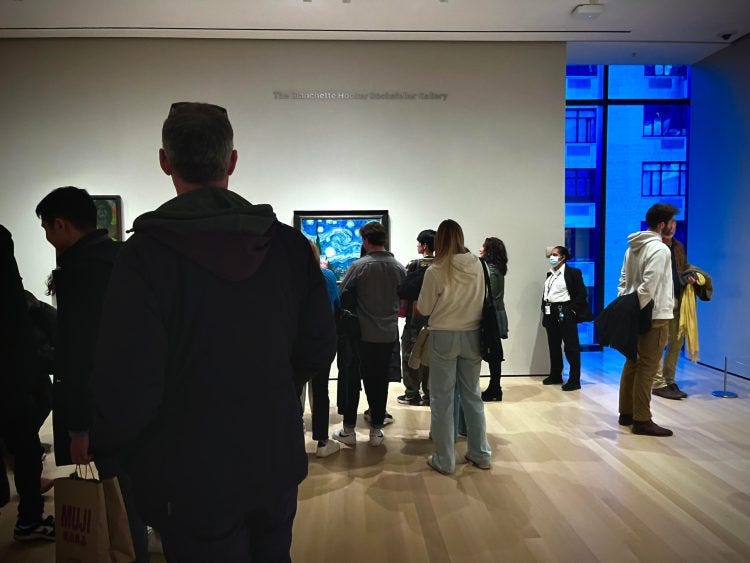
I took the photo above at the MoMa because it’s a perfect analogy for Walter Benjamin’s essay The Work of Art in the Age of Mechanical Reproduction. Benjamins’ work is interested in how art changed amidst the Industrial Revolution, specifically in art’s transition from its perceived “cult value” to its newfound “exhibition value”. What gave a piece of art its “cult” status was its aura and magic. Previously, if one wanted to experience Van Gogh’s Starry Night they must be in a unique time and place. Today, all one has to do is look it up online and order a reprint. Any semblance of cult value in a work of art has diminished drastically. As evident in the photo above, the audience is more interested in reproducing the piece of art as a photo than experiencing it as a unique phenomenon of history.
That’s not to say the cult value of art should take precedence over its exhibition value. In fact, the mechanical reproduction of art liberated it because by having its value in the cult, it was dependent on ritual. Historically, a work of art was only as valuable as society deemed it. Today, one can value a work of art for any reason they see fit.
However, art’s inevitable liberation brought on unforeseen repercussions in how it’s consumed. Exhibition value first displaced cult value with the invention of photography. Photographs are not just works of art but are historical testimonies that hold political significance. The added political weight to a work of art makes it harder for the audience to differentiate between criticism and enjoyment because it builds an intimate and sympathetic, or in Benjamin’s words, a progressive reaction. The ritual-based relationship cult-valued art used to have has merely been replaced by a political-based relationship with exhibition-value art.
The Progressive Reaction of Exhibition-based Art
Mechanical reproduction of art changes the reaction of the masses towards art… The reactionary attitude toward a Picasso painting changes into the progressive reaction toward a Chaplin movie.– Walter Benjamin (The Work of Art in the Age of Mechanical Reproduction, pg.235)
Progressive reactions mean “the conventional is uncritically enjoyed, and the truly new is criticized with aversion” (pg.236). This is because an individual’s perception of art is influenced by the mass audience’s reaction. For example, the public loves the Avengers movies because they know what to expect but critiques Ari Asters Beau is Afraid because it caught them off guard. Moreover, quantity has surpassed quality. The Avengers is a more important film because it has sold x-more tickets.
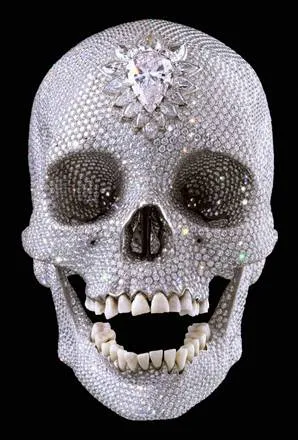
Reproducing art to such an extent has made us accustomed to its presence. Historically, seeing a painting of a skull would permit all sorts of emotions, dread, fear, and paranoia of a bad omen. Today, we see skulls on clothes, in ads, in emojis, likely multiple times a day. So much art no longer produces a reactionary sense of concentration, but only a progressive sense of distraction.
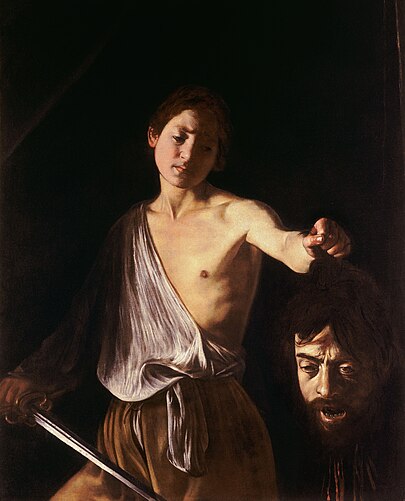
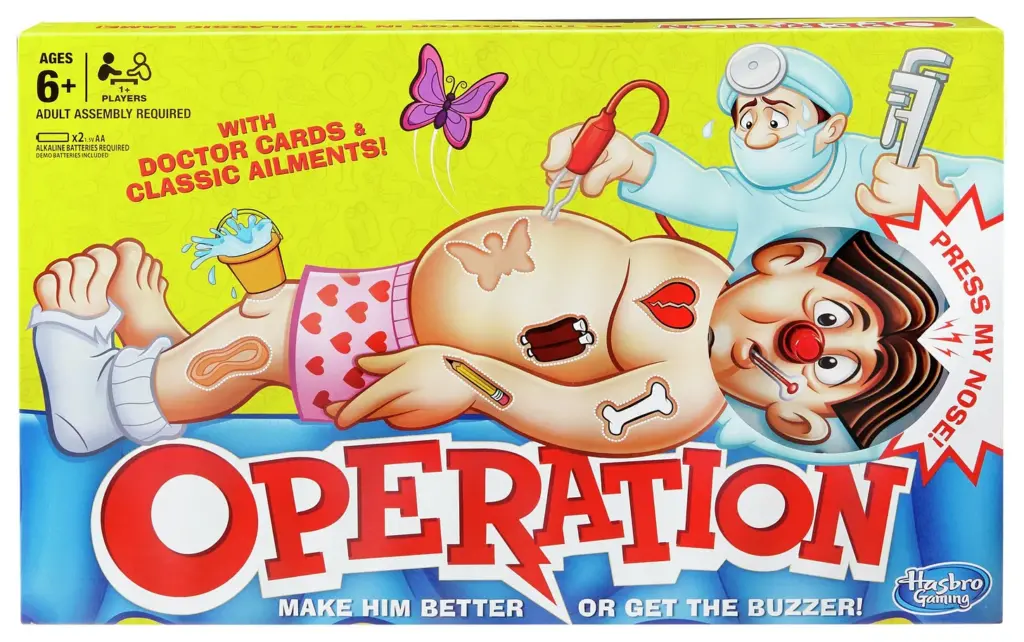
The mass reproduction of art has raised the audience’s tolerance to it like a drug addict chasing their next high. Not only that, it’s also dulled our senses, making us vulnerable to ideologies infringing on aesthetics. Today ideology and aesthetics are inseparable. An art-house film of purely abstract images will still provoke ideology, even if that ideology is a rejection of all others. This is dangerous because the audience is led to believe this is of their own volition, however, as Theodor Adorno first argued, our reactions are merely mimetic impulses orchestrated by the powers that be, like a game of operation.
The consumers are made to remain what they are: consumers. That is why the culture industry is not the art of the consumer but rather the projection of the will of those in control onto their victims. The automatic self-reproduction of the status quo in its established forms is itself an expression of domination.– Theodor Adorno (Transparencies on Film, pg.185)
What happens when the powers that be don’t have the consumer’s best interests at heart? History has shown us what happens when perverse ideologies are integrated into mass-produced aesthetics.
The Mechanical Reproduction of Fascism
In principle, a work of art has always been reproducible. However, the mass scale of mechanically reproduced aesthetics brought on by the Industrial Revolution and the invention of photography around the 1900s is something else entirely. For the first time, art is no longer limited by time and space, meaning ideologies can spread like wildfire. Combine that with the mindless progressive reactions produced by consuming art, it is easy to see how manipulative ideologies underlying aesthetics can be.
Fascist poet and founder of the Futurist art movement Filippo Marinetti is one of the first to discover how the mechanical reproduction of art led to its politicizing. His futurist movement weaponized aesthetics as a means to manipulate the masses. Facists discovered the progressive reactions of mass-produced art can create an inorganic catharsis. The futurist art movement took advantage of this, using art to argue the necessity of war and violence for people to express themselves. This is what provoked thousands of individuals to join various fascist political parties across Europe.
“A man who concentrates before a work of art is absorbed by it. In contrast, the distracted mass absorbs the work of art”.
– Walter Benjamin (pg. 240)
Ironically, the fascist’s strategy to weaponize aesthetics comes straight out of Marx’s idea of “history being a class struggle,”. This all but proves the inevitability of this aesthetic evolution. How the Industrial Revolution emancipated art is undeniable. No longer is art limited to time, space, or its cult values. However, this liberation also opened up the floodgates for a progressive reaction, and a resulting political-based relationship took its place. Until art transcends this relationship, ideologies will continue to plague aesthetics. Yet being aware of this formula is the first step to rising above it.
References
Adorno, Theodor W., and J. M. Bernstein. “Transparencies on film.” The Culture Industry, 2020, pp. 178–186, https://doi.org/10.4324/9781003071297-8.
Benjamin, Walter. (1969). The Work of Art in the Age of Mechanical Reproduction.. In Arendt, Hannah (Eds.), Illuminations: Essays and Reflections (pp. 217-251). Schocken Books
Bergman, Ingmar. Films Incorporated. (1957). The Seventh seal. Chicago.
Bowler, A. Politics as art. Theor Soc 20, 763–794 (1991). https://doi-org.ezproxy.lib.torontomu.ca/10.1007/BF00678096
Caravaggio, David with the Head of Goliath (1609)
Hirst, Damien. For the Love of God (2007)
Marx, Karl, and Friedrich Engels. The Communist Manifesto. Monthly Review Press, (1998) (republication) (original publication 1846).