Puerto Vallarta’s greatest artists assemble for the 2024 Puerto Vallarta Art Walk
I just got back from a trip of a lifetime with some buddies in Puerto Vallarta, Mexico. Between the bottomless strawberry margs and the grueling hikes our hemp-wrapped lungs could barely handle, we spent a lot of time exploring the beautiful city.
Puerto Vallarta is beautiful for a lot of reasons. Surrounded by mountains and the Pacific Ocean, you can’t help but feel you’re isolated in this natural compound, hidden from the irrational Kafkaesque irregularities we all face daily. It’s also home to some of the most unique architecture I’ve ever seen, with aesthetic traditions like haciendas taking precedence over the mundane architectural efficiencies I’m used to in Toronto. On top of this, the friendliest people I’ve ever encountered all seem to reside in this peaceful city. Going into the trip, my naive self was weary of the violence and corruption the mainstream media likes to pile onto Mexico. However, the reality couldn’t be further from the truth.
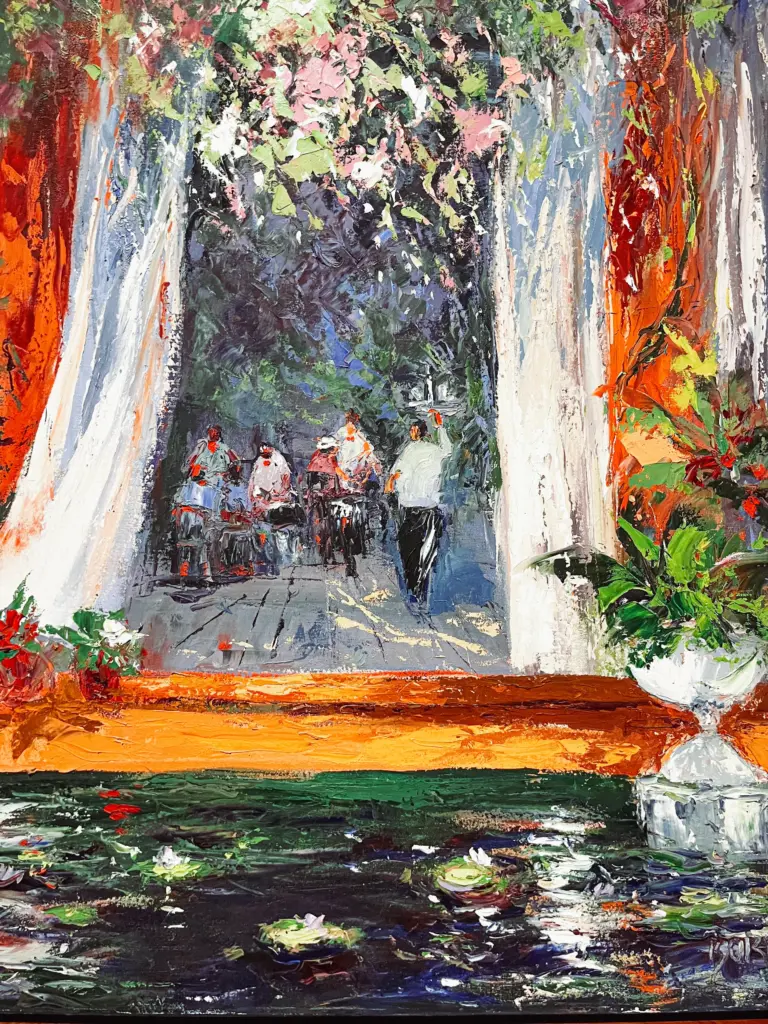
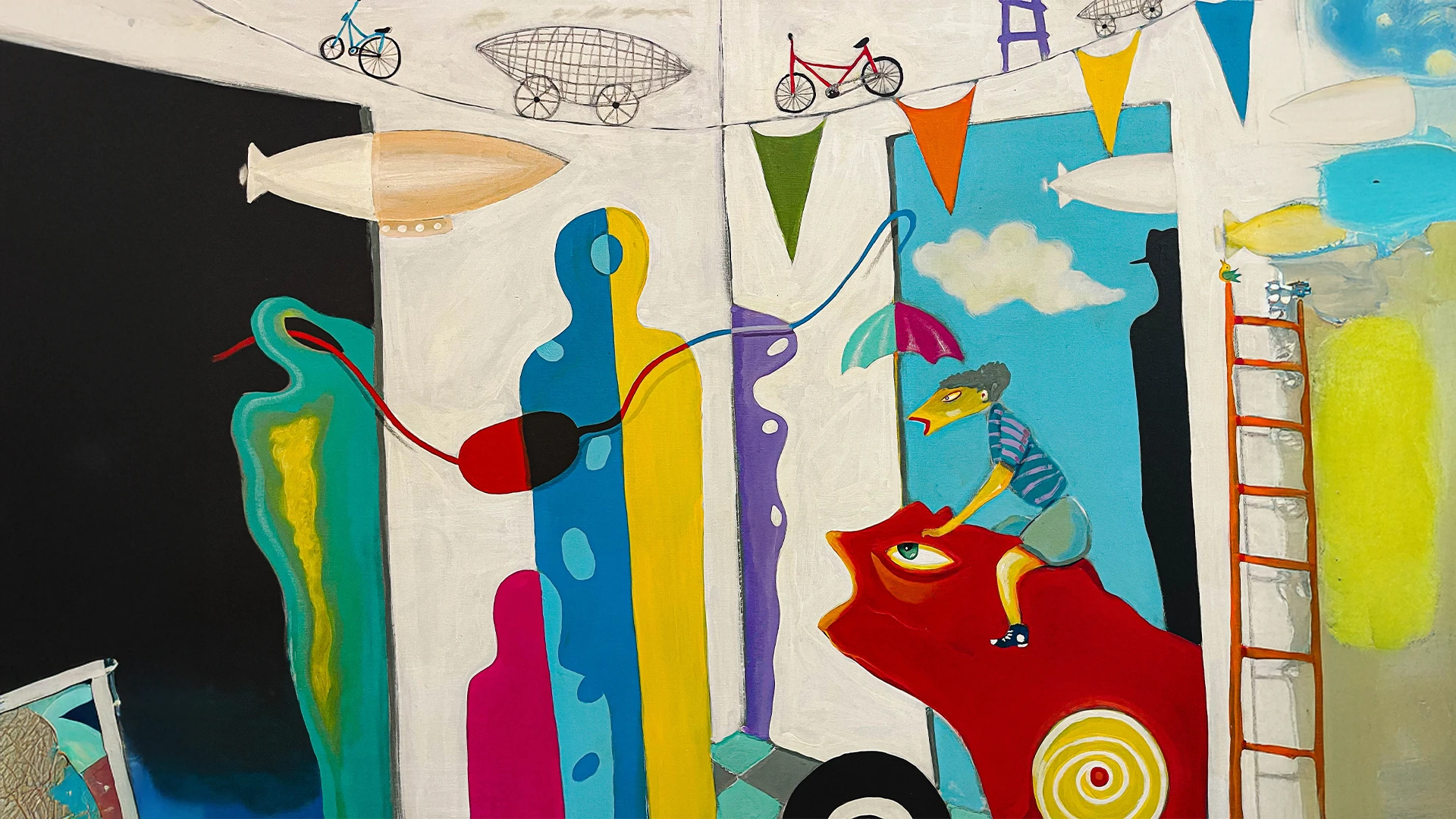
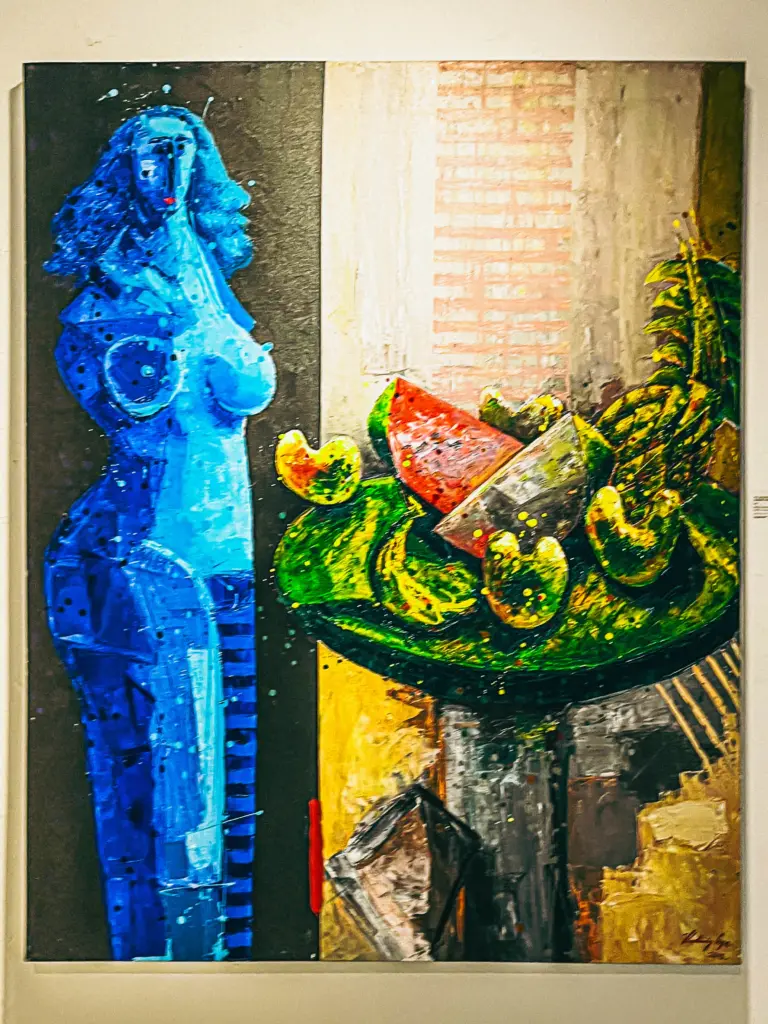
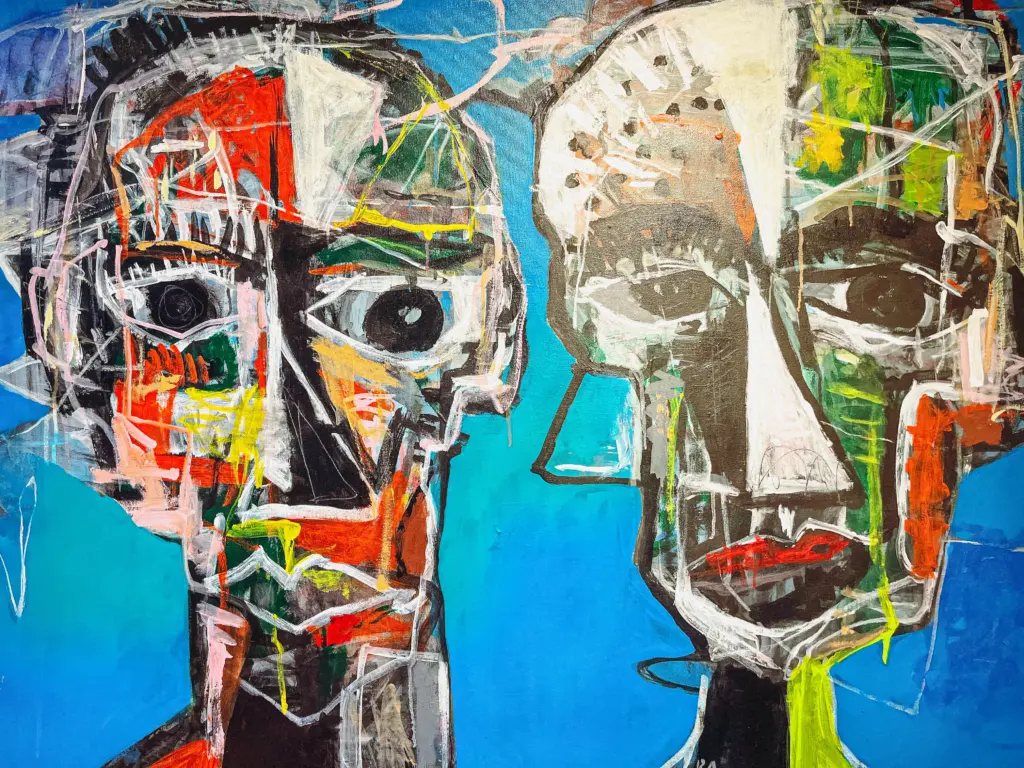
That all said, the most beautiful aspect of Puerto Vallarta to me was its famous art scene. As I’ve since learned, the Puerto Vallarta Art Walk is an internationally renowned festival where artists around the world display their work. The following are some of my favorite paintings and sculptures we saw on this year’s art walk. All photos were taken on my iPhone 12 and touched up in Lightroom. Gallery links can be found below.

One thing that particularly sticks out to me in many of the paintings featured on this year’s walk is the absence of political and other didactic themes. Here, artists seem far more focused on their art’s technical aesthetic and expressive aspects than their commentary.
In Puerta Vallarta, art simply exists to exist. It doesn’t serve some secondary purpose that mobilizes its audience. It merely serves as a mirror, reflecting the serene beauty of their environment.
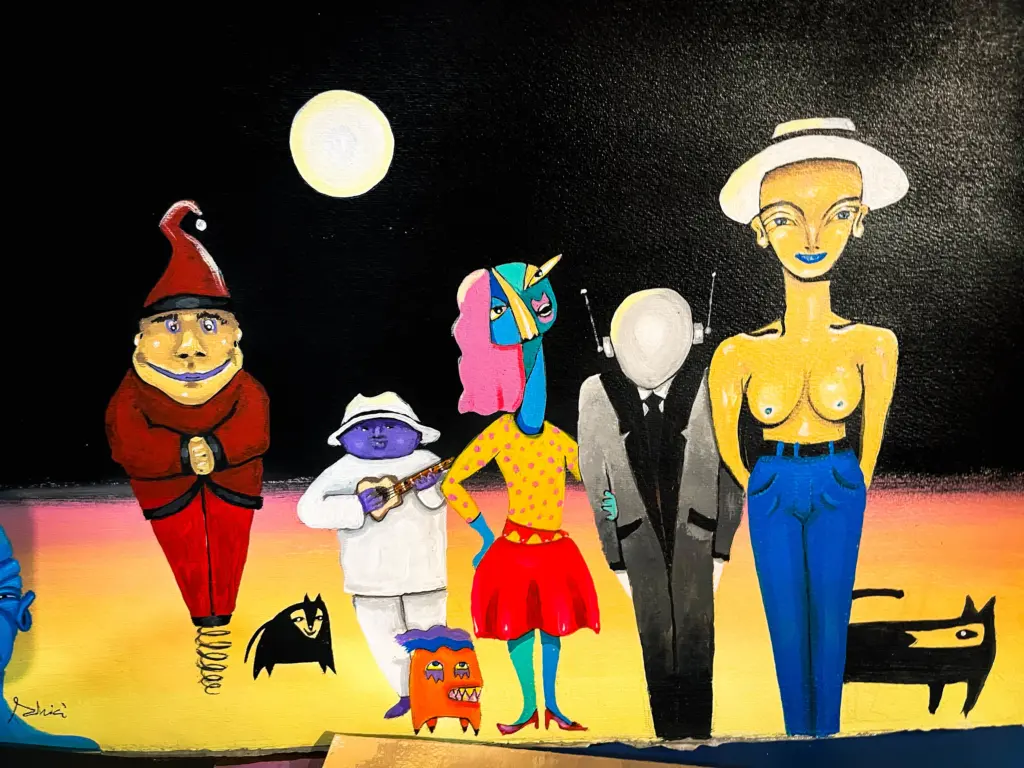
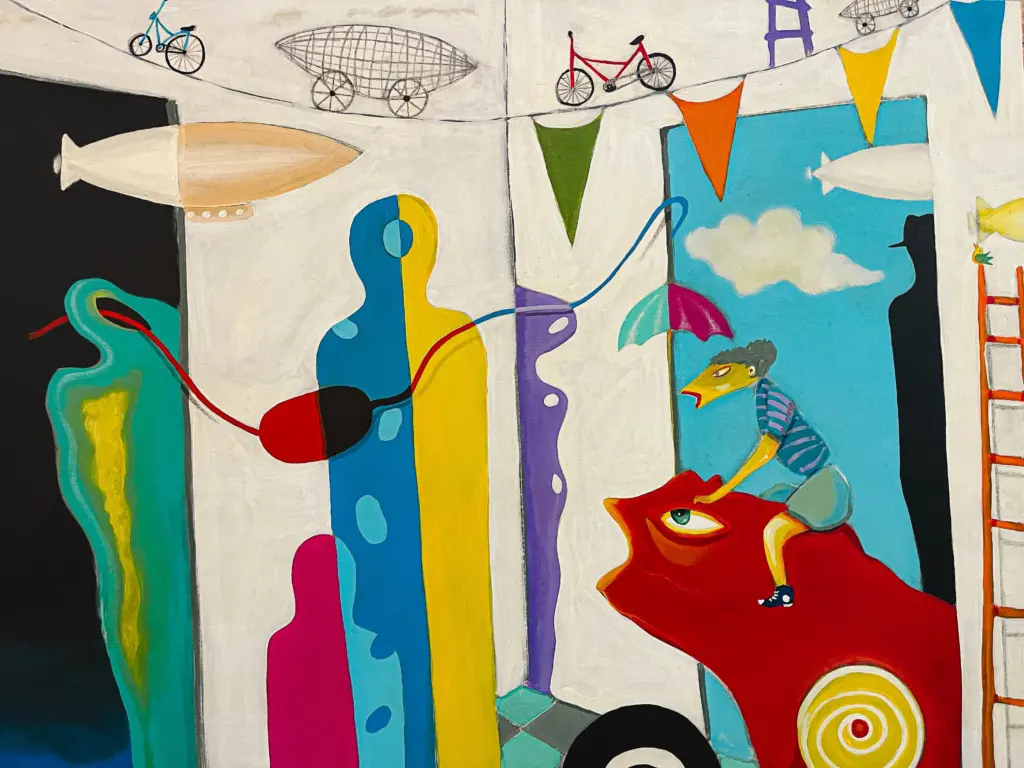
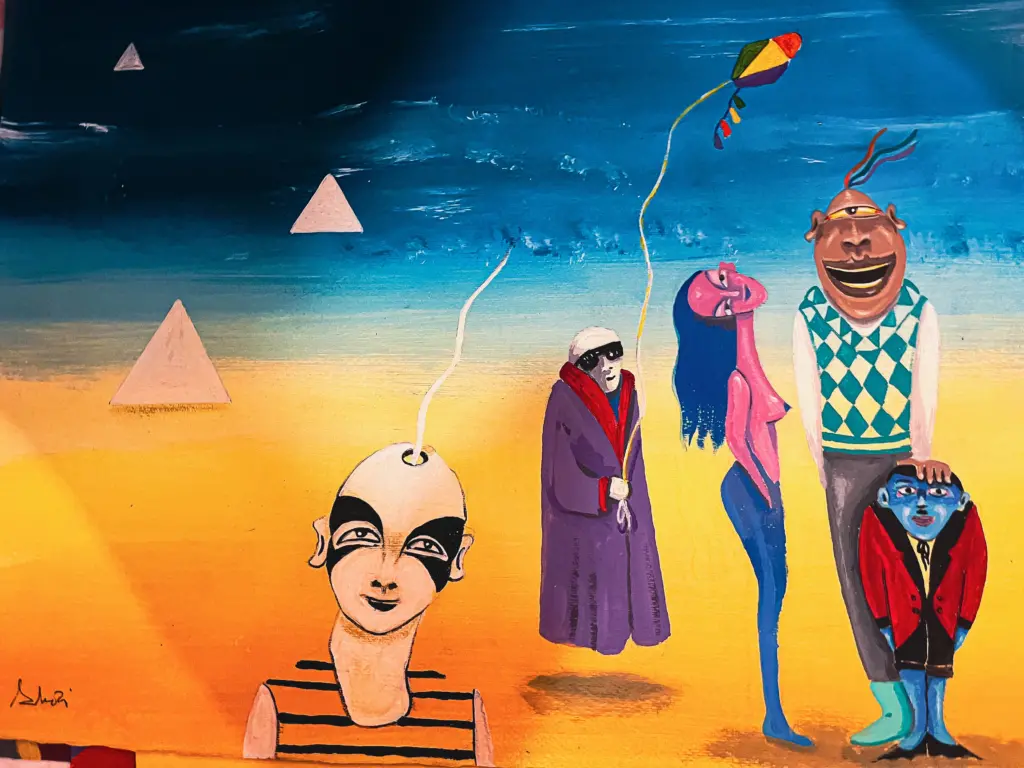
This is coming from a country laden with violence and corruption, at least as seen through the eyes of the media. Generally speaking, today’s most famous works of art are used to weaponize revolutions and to mobilize the masses. This idea came before WW2 with thinkers like Leon Trotsky, who famously stayed in Mexico with artists Andre Breton, Frida Kahlo, & Diego Rivera after his exile from Russia.
Trotsky debated with the prominent Mexican artists about the nature of art. Trotsky, beyond being an acclaimed military strategist, was also an extremely versed critic, who saw art as a tool for revolutions and as a means to freedom. Kahlo on the other hand, agreed with this assessment but thought that it was impossible to separate the aesthetic from the political, making any attempts prone to contradiction, and the freedom it aspires to achieve a paradoxical trap.
The influence Frida Kahlo has on the Mexican art scene is palpable. Beyond the fact that you can’t walk five blocks without seeing her face on a mural of some sort, you can witness the way she approached art in every Mexican painting today. It isn’t that these artists are “scared” to be political. Rather, they understand political presence is inevitable. Instead of fighting it like swimming against a current upstream, they swim within it and let it take whatever shape it wants.
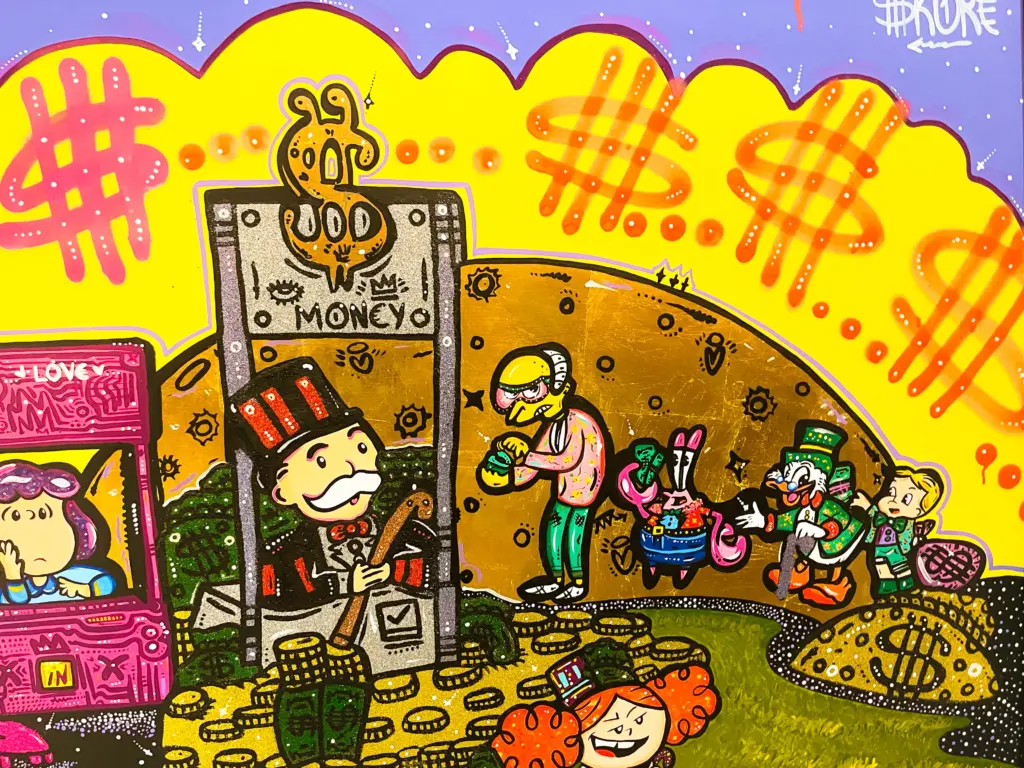
Figure 8 is one of the only overtly didactic pieces I noticed on this year’s walk. Besides, it isn’t making any political attack. It’s making the benign statement that money gets more attention than love. Hence, the line features Mr. Burns, Mr. Krab, Scrooge McDuck, etc. Something that seems very evident in Western culture today.
I believe the style of this painting in says more than its content. It’s created with traditional street art graffiti and samples of cartoon kitsch-like animations. However, it exudes elements of prestige, glitz, and glare as every element dazzles with diamonds. It’s as though the artist created a story combining the art of Andy Warhol and Damien Hirst.
Although it tells a somewhat disheartening story, the art itself is very comforting and peaceful to my Gen-Z brain. Taking the style and the content together, it’s a very relatable piece to practically anyone who grew up in the West. It also fits right in with the broader theme, that being the simple beauty of the Puerto Vallarta art scene.

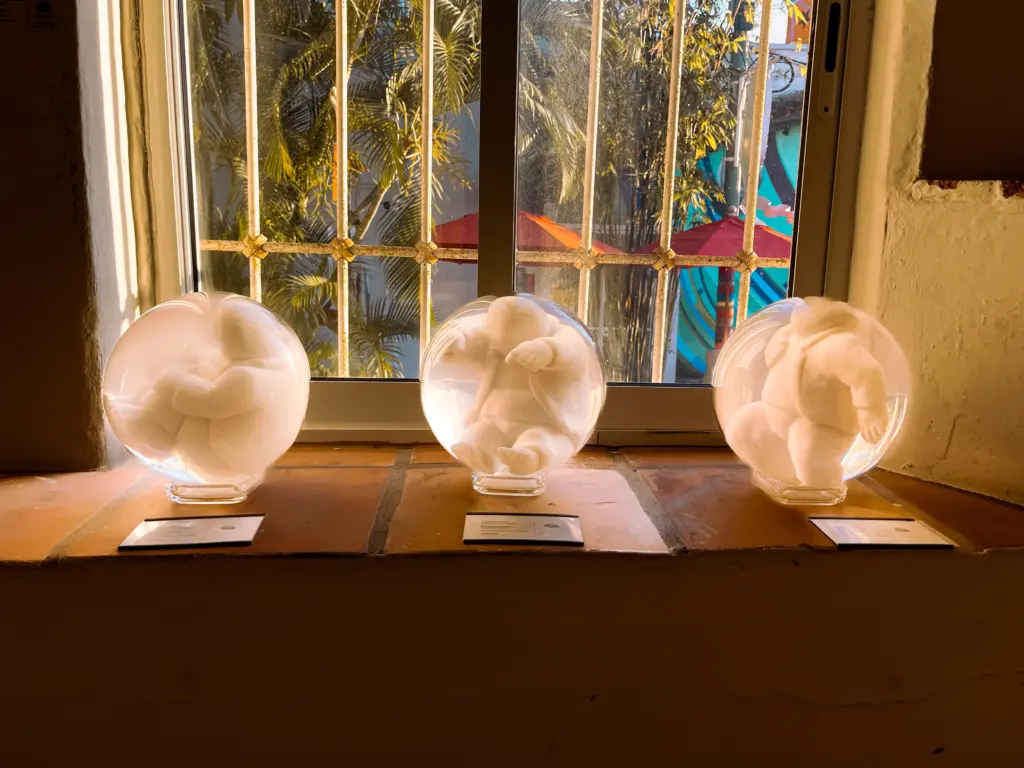
Created by two different artists and curated by two distinct galleries, I can’t help but notice the sculptures in Figures 12 & 13 convey similar feelings. In a city renowned for its beauty and comradery, here are two artists expressing feelings of loneliness & isolation.
It’s easy for me to sit there with a strawberry marg in hand, having the time of my life with my best buddies in this foreign country, and ask “How could one ever express these types of feelings when living in such a beautiful place?”. But the logical part of my brain persists, and though I can’t relate in this very moment to the artists who spent weeks, months, if not years, compelling themselves to create something so vulnerable, I can through my association of ideas, recognize their pain in my own.
Though I can’t tap into the pain I’ve dealt with in my past, nor would I ever wish to go to that place again. I recognize it was once there, and may well have its place in my future. As any old philosophy book will tell you, understanding that pain is the first step to overcoming it. Recognizing this pain in the art of the most beautiful foreign country I’ve visited is, in an odd way, very reassuring because it comes with an understanding that pain transcends the individual, it is universal.

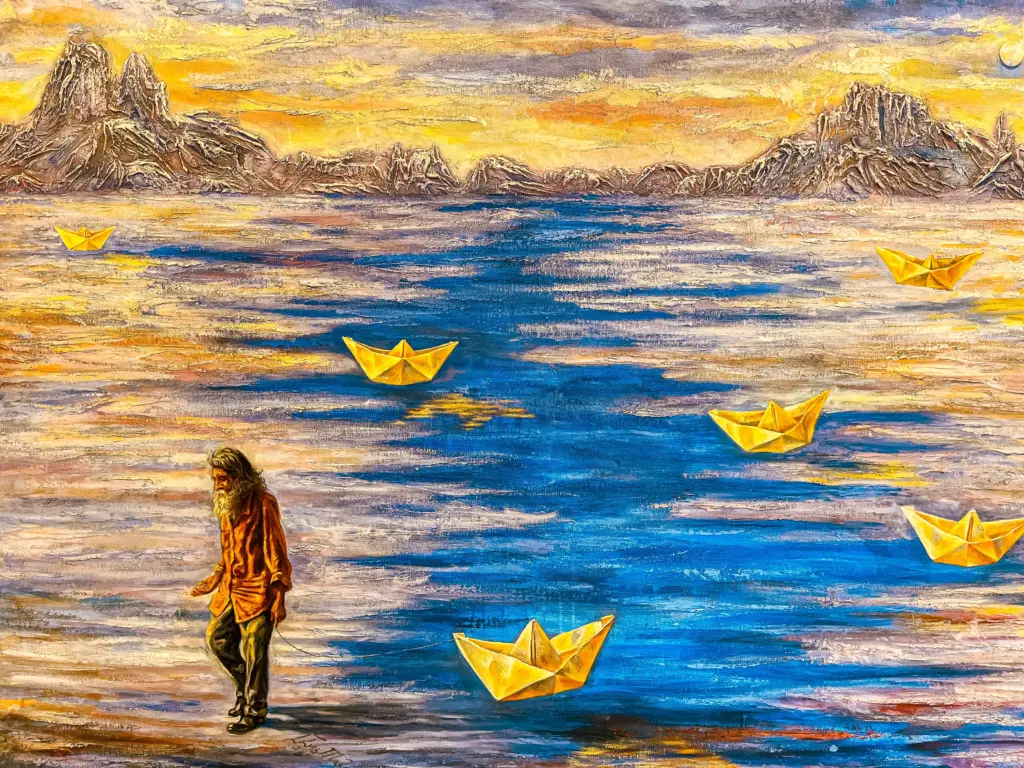
Saying Puerto Vallarta’s art scene neglects the didactic qualities of much of today’s contemporary art is a naive misunderstanding of their production. Following in the likes of Frida Kahlo, it’s now evident to me how they seamlessly blend such qualities with the aesthetic, expressive, and otherwise cathartic experiences art is intended for.
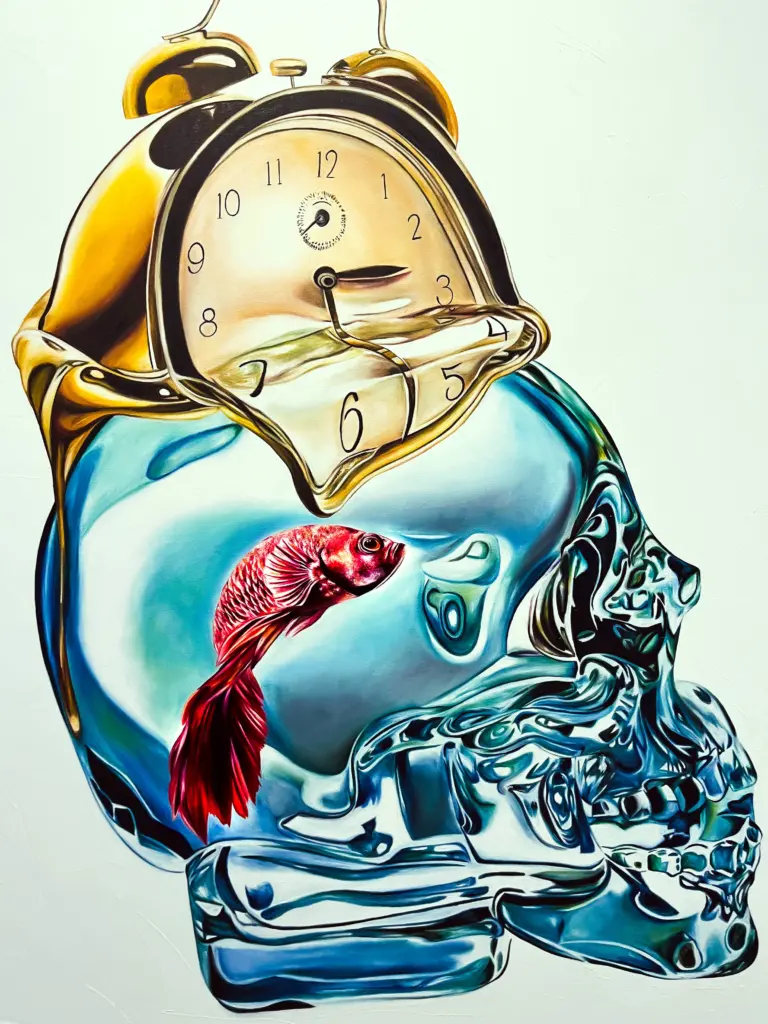
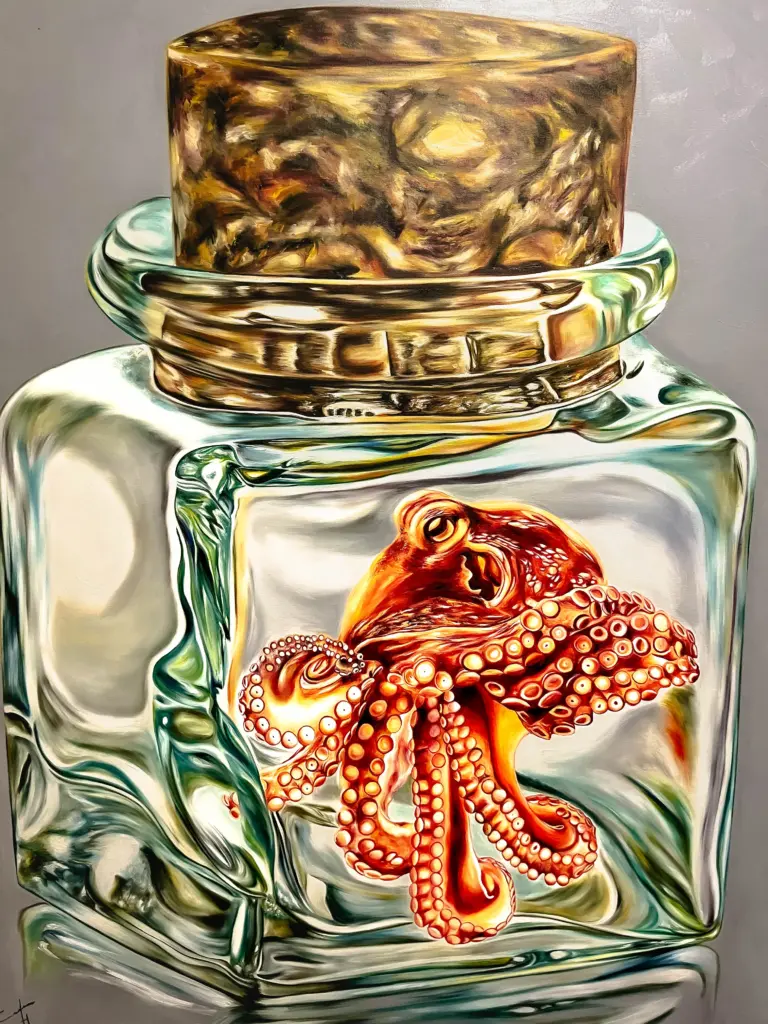
Trotsky was right in that it’s art’s duty to reflect today’s most poignant hypocrisies. However, Frida Kahlo showed us that both the most benign and the most malevolent pieces of art are victims to those same contradictions. The beautiful art in figures 15 and 16 for example do a great job representing, through paint and colour, my experiences in Puerta Vallarta. However, I doubt I’ll ever see the day mainstream media chooses to display such beauty when describing a place like Mexico.
The Mexican revolutionary spirit pioneered by the likes of Frida Kahlo hasn’t disappeared unlike some may think at first glance. It’s merely hidden in between the aesthetic and expressive primitive notions art relies on. It’s the relationship between these qualities that makes the art so beautiful.