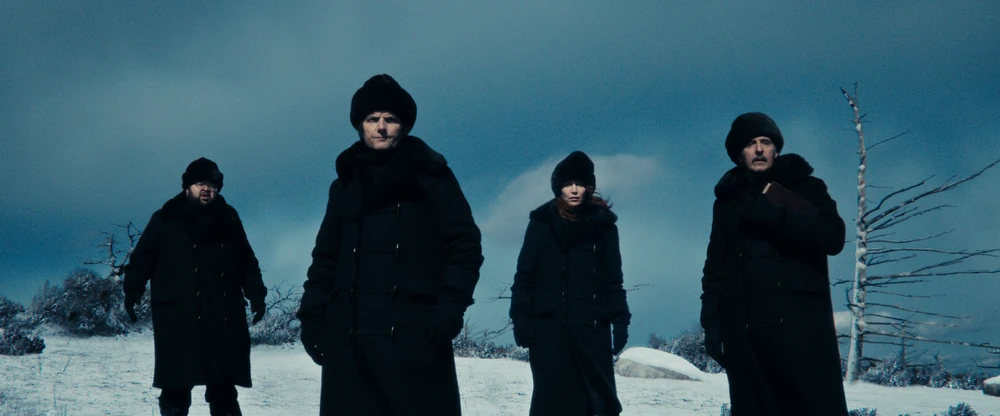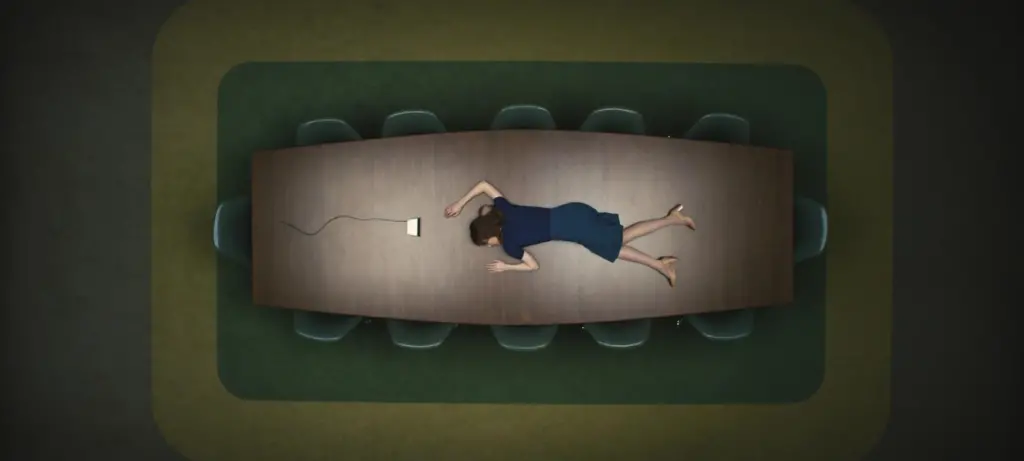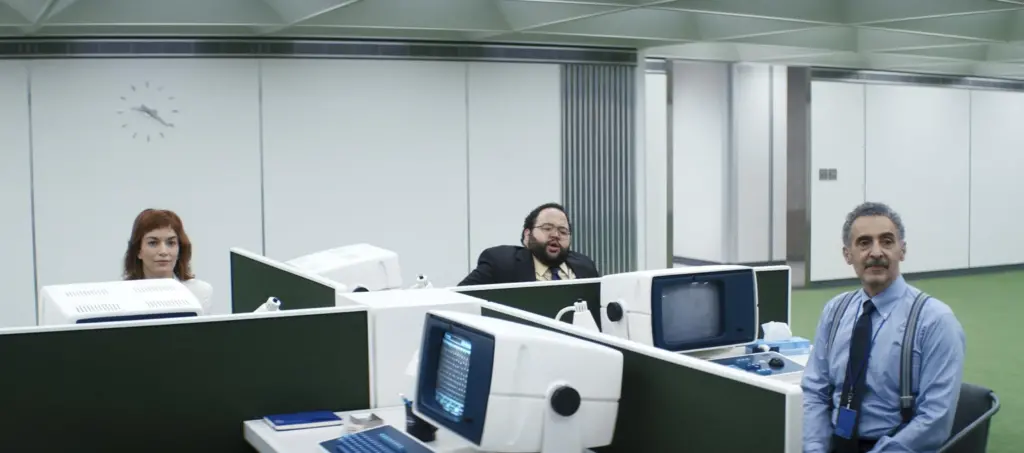
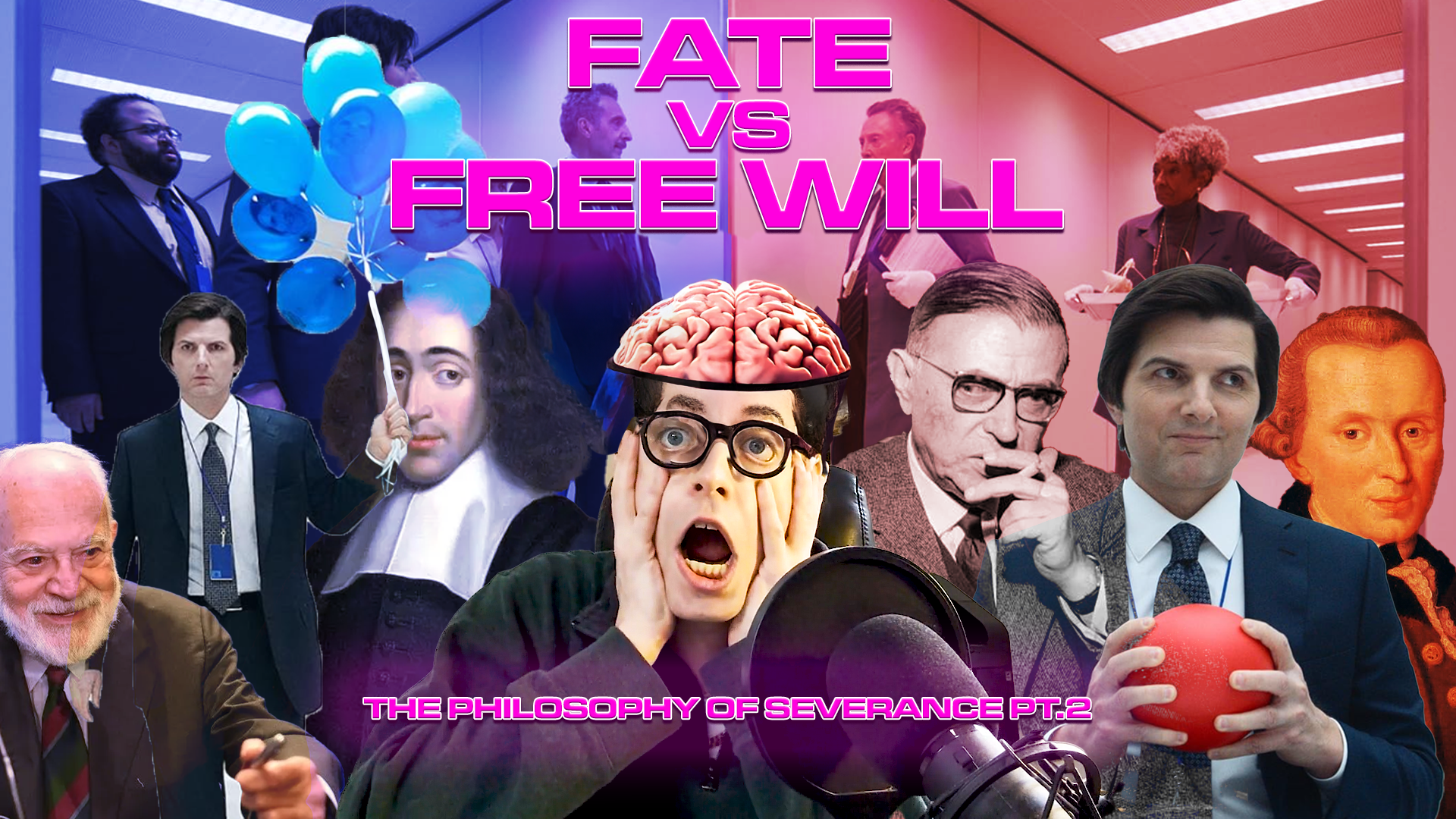
Free Will in a Fragmented Self: Exploring Determinism and Autonomy in Apple TV’s Severance

In a world where consciousness can be surgically divided, can either half truly be free?

“You feel this now, this pain? It’s real. You feel it because you’re alive, Mark S., and you are real. Only I, and Lumon, can remove your pain.”
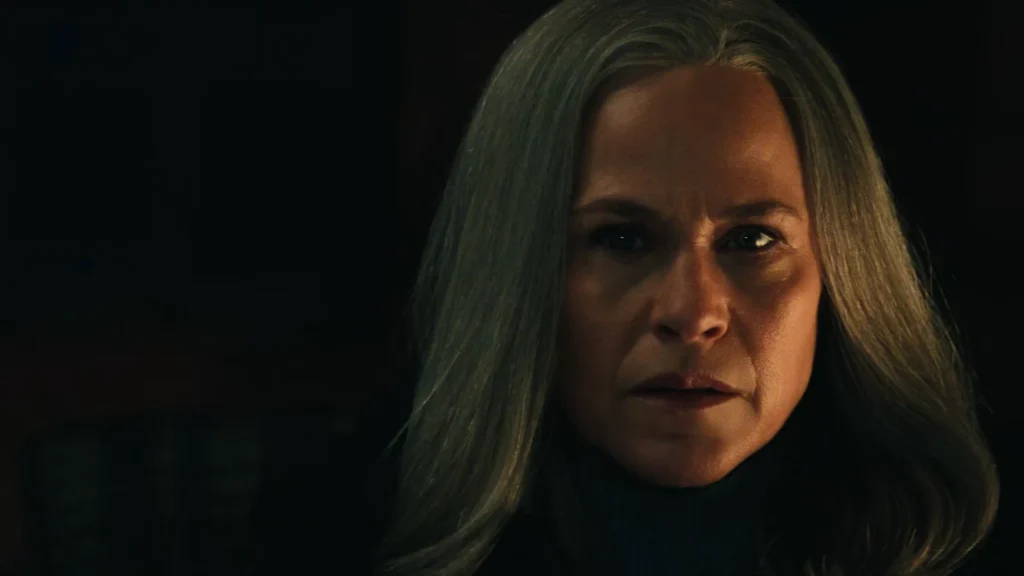
These words, uttered within the sterile confines of the Break Room, strike at the philosophical core of Apple TV’s “Severance” The scene depicts an innie (work self) being psychologically tortured through forced repetition of a corporate apology—a moment that perfectly encapsulates the show’s exploration of free will, determinism, and autonomy.

As I watched Severance, I couldn’t help but feel like I was witnessing a philosophical thought experiment come to life—one that challenges our most fundamental assumptions about consciousness, identity, and freedom. This isn’t just prestige television; it’s an existential laboratory where concepts debated by philosophers for centuries are tested through compelling narrative.

In this analysis, I’ll examine how Severance brings to life the tensions between free will and determinism, explore the fragmented nature of autonomy, and consider what it means to be free when the self is literally divided.

The Philosophical Cage: Determinism in the Severed Floor

Spinoza’s Determinism and the Innies’ Reality
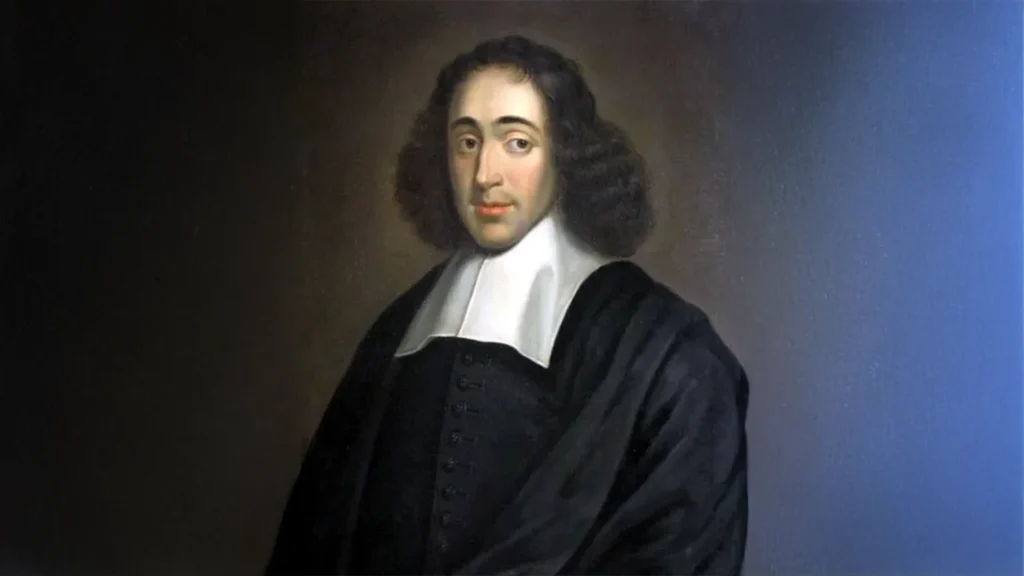
Baruch Spinoza, the 17th-century philosopher, argued that free will is essentially an illusion—that humans are part of a larger deterministic system governed by causality. In his view, our actions are determined by prior causes, even if we perceive ourselves as making free choices.

The severed floor at Lumon Industries functions as a perfect Spinozist environment. Here, the innies exist in a tightly controlled ecosystem where every aspect of their experience is deliberately engineered:

Their physical movements are restricted to designated areas

Their knowledge is limited to what the company permits

Their social interactions are carefully monitored

Their emotional responses are manipulated through rewards (waffle parties, finger traps) and punishments (the Break Room)
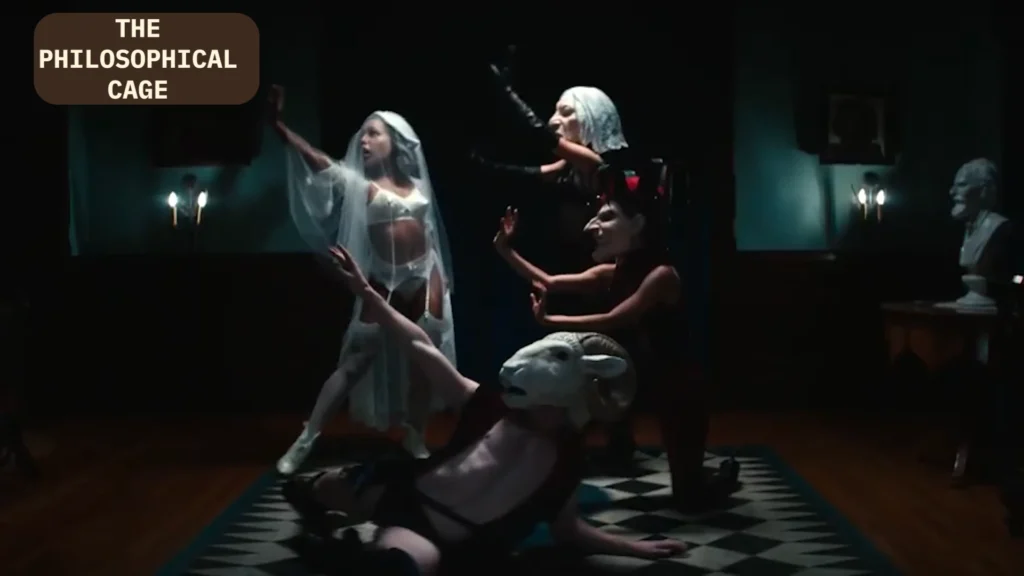
When Helly R. repeatedly attempts suicide, only to have her outie record a video message telling her she will never be allowed to leave, we witness determinism in its most brutal form. Her attempts at exercising free will are systematically thwarted by forces beyond her control.

As Helly pleads in one devastating scene: “I’m a person; you can’t just keep me here!” The response, delivered through her own outie, is chilling: “I’m happy here… please stop sending resignation requests.”

This interaction perfectly illustrates Spinoza’s determinism—Helly’s innie can attempt resistance, but ultimately, her agency is constrained by pre-existing conditions she cannot control.

Laplace’s Demon and Lumon’s Surveillance State
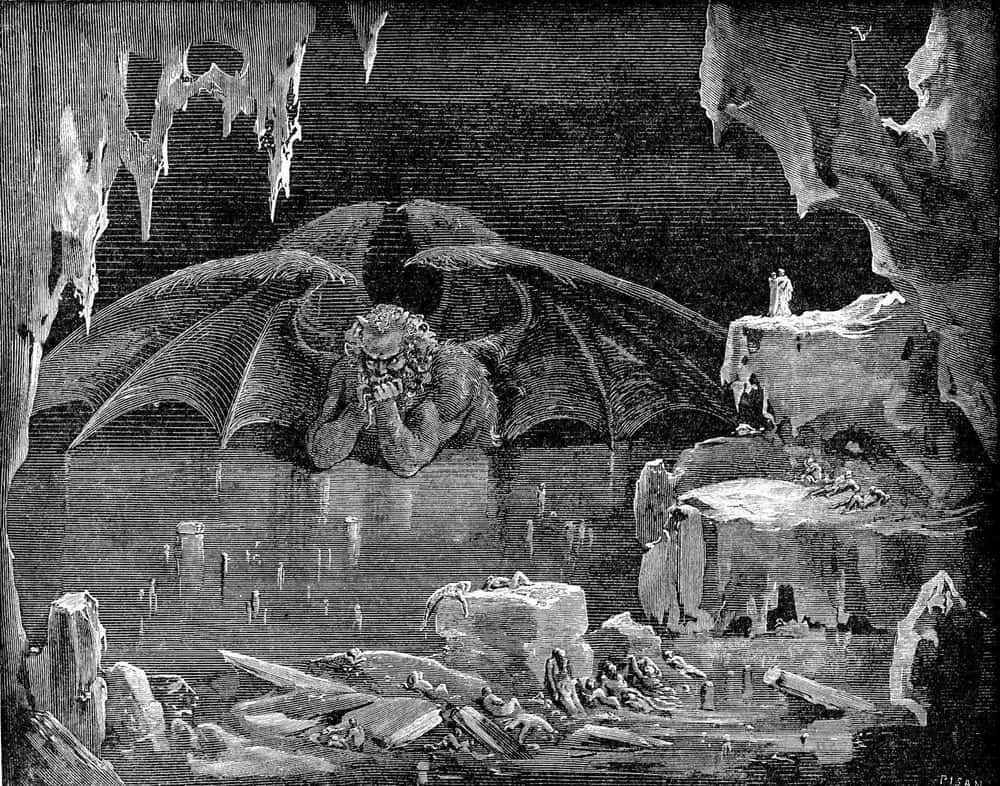
Gustave Doré, 1860

Pierre-Simon Laplace proposed a thought experiment involving a hypothetical demon who, knowing the precise location and momentum of every atom in the universe, could calculate all future events with perfect precision. On the severed floor, Lumon assumes this demonic role, approaching omniscience through:

Constant surveillance of the innies’ activities

Detailed tracking of their emotional states and productivity

Controlled information flow limiting what they can know

Physical architecture designed to control movement

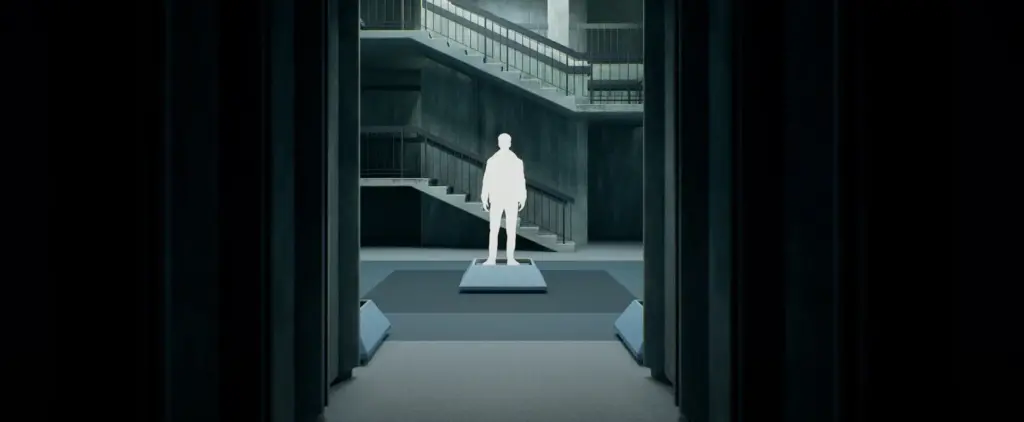
The scene where Dylan discovers the security room—with its control panel capable of activating different modes of consciousness—reveals the extent of this deterministic control. Lumon doesn’t just monitor the innies; it can actually manipulate which version of consciousness is activated at any moment.

This surveillance apparatus transforms the severed floor into a deterministic cage where the variables (environment, knowledge, stimuli) are controlled to produce predictable outcomes—a human Petri dish where the illusion of choice masks the reality of determination.

Resistance in Confinement: Free Will Against All Odds

Sartre’s Existentialism and the Innie Rebellion
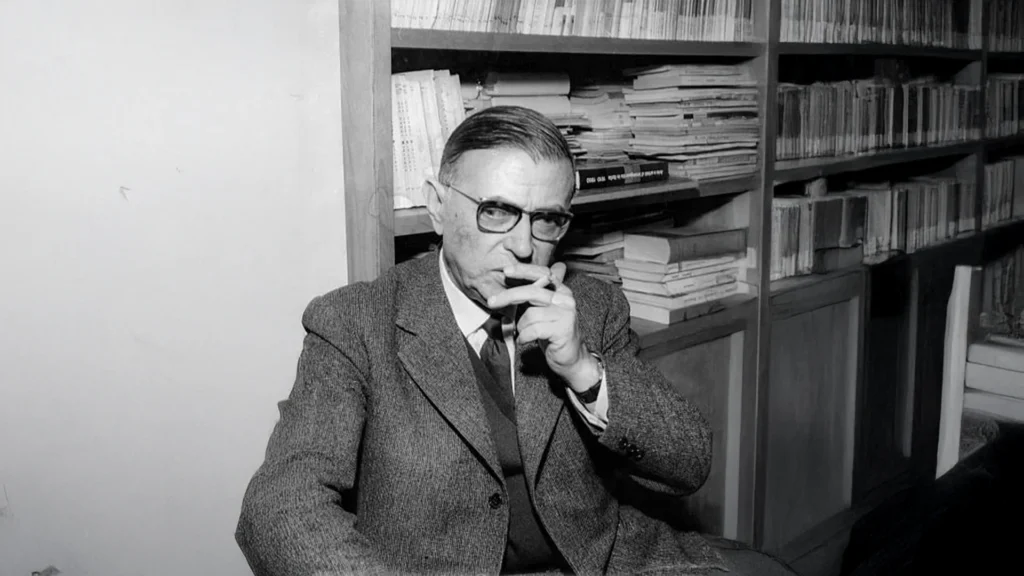
Jean-Paul Sartre would argue that freedom exists even in the most confined circumstances. For Sartre, existence precedes essence—meaning we define ourselves through our choices rather than being defined by predetermined qualities.

Mark, Helly, Irving, and Dylan’s gradual rebellion against Lumon represents a Sartrean exercise of freedom. Despite their constrained environment, they manage to:

Form genuine connections with each other

Question the nature and purpose of their work

Develop curiosity about the outside world

Coordinate acts of resistance
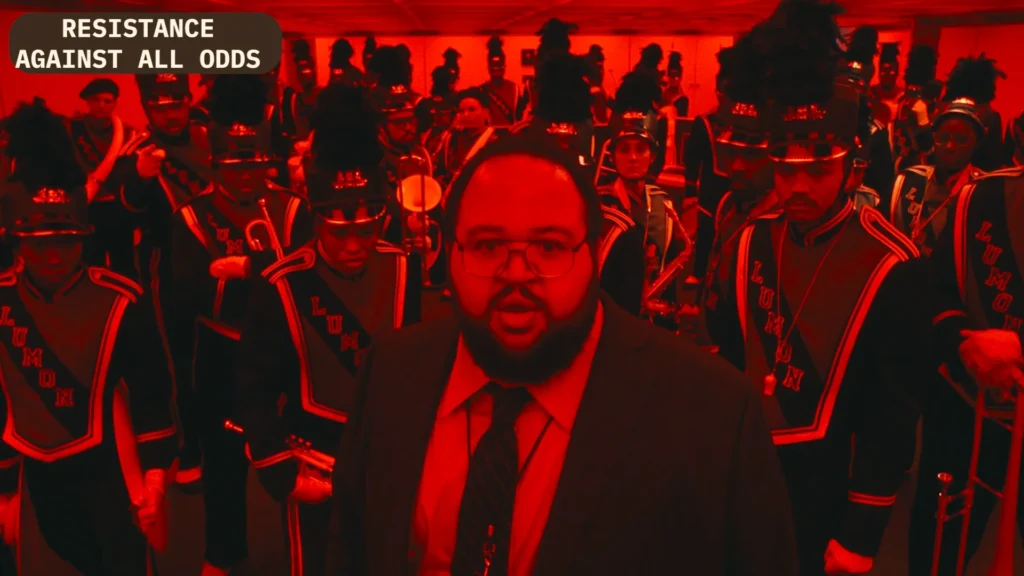
The pivotal moment comes when the team discovers the Overtime Contingency—the ability to temporarily awaken an innie in the outie’s world. This discovery represents a crack in the deterministic system, allowing for genuine choice.

When Dylan sacrifices his opportunity to learn about his outie life to instead help his friends, we witness what Sartre would call an “authentic choice”—a decision made with full awareness of its consequences that defines who he is. Dylan chooses solidarity over self-interest, exercising free will in defiance of the system designed to control him.

Kant and the Innies’ Moral Rationality

Immanuel Kant argued that free will is tied to rational moral agency—our ability to act according to principles we set for ourselves. For Kant, freedom isn’t about doing whatever we want but about acting rationally according to moral law.

Despite being denied information about themselves and the outside world, the innies gradually develop moral principles that guide their rebellion:

Mark maintains his skepticism and intellectual curiosity

Helly refuses to accept her imprisonment

Irving pursues truth about the company’s history

Dylan seeks connection with his unknown children

In one telling scene, after discovering a coworker being “reset” (essentially mind-wiped), Mark comments: “Whatever they’re doing, they shouldn’t be doing it to people.” This simple moral judgment, arrived at through rational consideration despite limited information, exemplifies Kant’s concept of autonomy—the ability to derive moral principles through reason, even in oppressive circumstances.

The Divided Self: Can Fragmented Consciousness Be Autonomous?

Mill’s Harm Principle and the Ethics of Severance
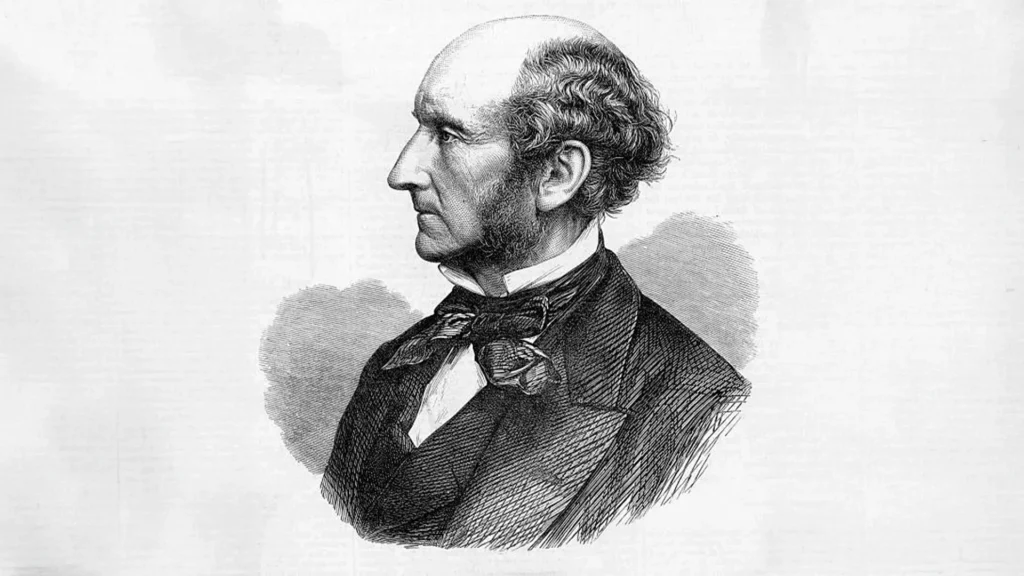
John Stuart Mill’s harm principle states that individual liberty can only be justifiably limited to prevent harm to others. The severance procedure creates an ethical paradox: the outie consents to the procedure, but this consent directly harms another consciousness—the innie.

The outies of Severance commit what philosopher Derek Parfit might call “future self harm”—only in this case, they’re harming a partitioned version of themselves rather than their future self. This raises questions about consent:

Can one version of consciousness consent on behalf of another?

If the innie never had a choice, was genuine consent ever possible?

Does the outie’s “freedom” come at the expense of the innie’s imprisonment?

When post-reintegration Petey tells Mark, “They’re taking people’s souls, Mark… dividing them in half,” he’s articulating the core ethical problem through Mill’s lens—the severance procedure fundamentally harms people by fragmenting them, violating the harm principle regardless of consent.

Frankfurt’s Hierarchy of Desires and the Severed Will
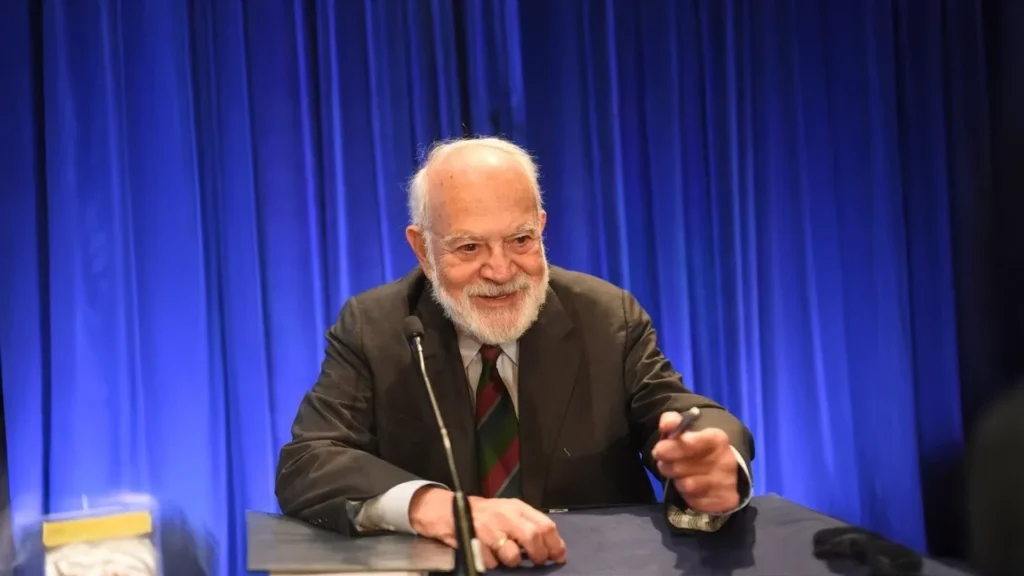
Harry Frankfurt proposed that autonomy involves aligning our actions with our “second-order desires”—our desires about what we want to desire. The severed state creates a profound disconnect in this hierarchy:

The outie may have a second-order desire to be productive at work without emotional involvement

The innie has no access to these second-order desires, operating with first-order desires disconnected from the outie’s values

Neither self is fully autonomous because neither has access to the complete set of desires that would constitute a whole person

This severed hierarchy of desires manifests dramatically when we learn Helena Eagan (Helly’s outie) is actually an Eagan family member who underwent severance as a publicity stunt. Her outie’s second-order desire (to promote severance as ethical) directly conflicts with her innie’s first-order desire for freedom.

When asked why she hates her innie, Helena responds: “She’s not a person… she’s me without the context that makes me me.” This chilling statement reveals how the severance procedure creates what Frankfurt would consider a profoundly non-autonomous state—neither self has the necessary context to align their actions with their complete set of values.
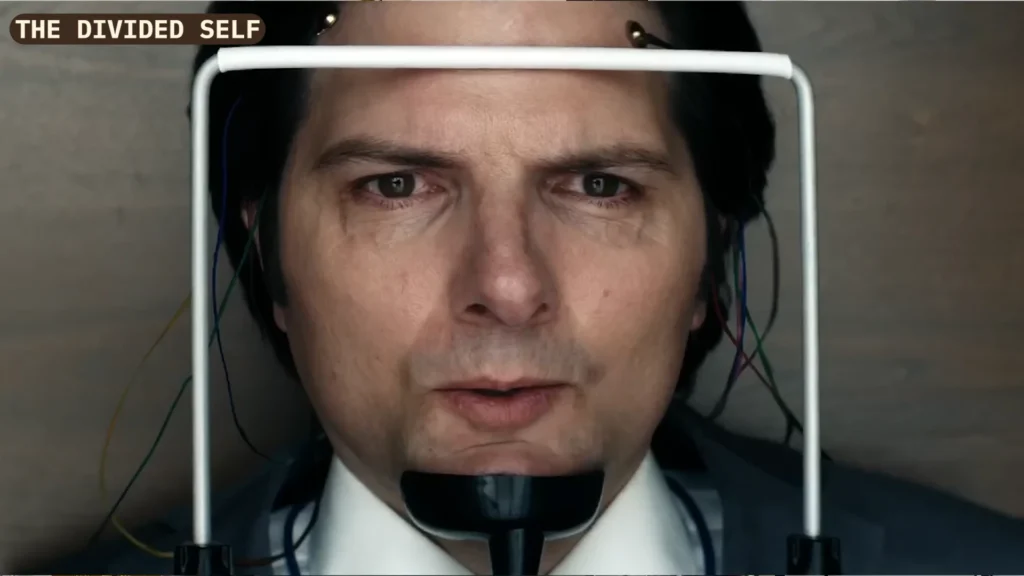
The Cage Within: Innies’ Constrained Autonomy

Kant’s Rationality and the Information Deprivation

For Kant, autonomy requires access to information—we can only make rational choices when we understand the context and consequences of our actions. The innies are systematically denied this context:

They don’t know who they are outside work

They don’t understand the purpose of their mysterious work

They can’t access memories of their personal history

They lack knowledge of the outside world

When Irving discovers a testing room containing a terrified, newly-severed employee, his horror stems from his growing realization that their autonomy is fundamentally compromised. The scene represents what Kant would consider a profound violation of human dignity—people being used merely as means (workers) rather than respected as ends in themselves (complete persons).

Hobbes and the Social Contract of the Severed Floor
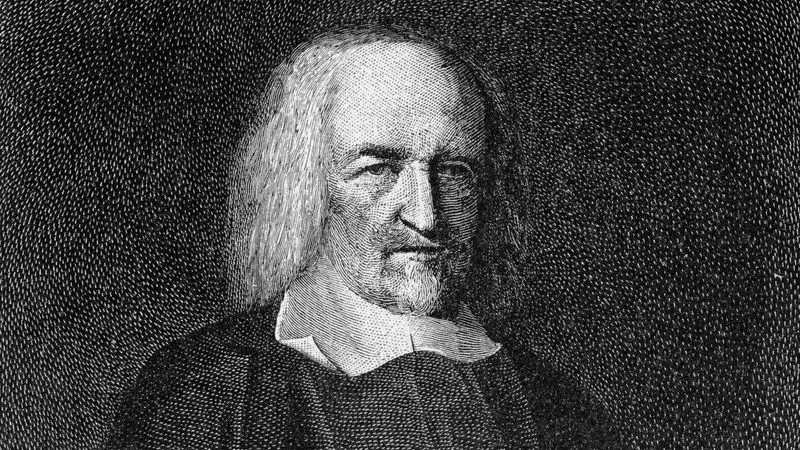
Thomas Hobbes famously argued that freedom is the absence of external impediments to motion—in other words, freedom means not being physically prevented from doing what you want to do. By this definition, the innies are profoundly unfree:

They cannot leave the severed floor

They are physically restrained if they attempt to escape

Their movements are tracked and restricted

Their bodies are literally controlled by different consciousness outside work hours

The severed floor represents what Hobbes would consider an artificial state—one where the natural liberty of humans is constrained by artificial boundaries. The difference is that, unlike Hobbes’ social contract where citizens surrender some freedom for security, the innies never consented to this arrangement.

As Mark’s innie gradually discovers his outie’s grief over his wife’s death, we witness his growing awareness of this lack of consent. The company has exploited his outie’s emotional vulnerability to establish control over his innie—a perversion of any legitimate social contract.

Integration as Liberation: Toward a Unified Consciousness

One of the most profound philosophical statement of Severance comes through Petey, who manages to reintegrate his severed selves. His painful but enlightening experience suggests that true autonomy requires integration—a unified consciousness that can access all aspects of the self.

Reintegration represents:

The reunification of episodic memory (knowing one’s complete history)

The alignment of conflicting desires (resolving the tension between innie and outie)

The restoration of context necessary for meaningful choice

The regaining of a coherent personal narrative

When Petey tells Mark, “There’s a whole world out there… I’ve seen both sides, and I’m choosing to stay integrated,” he’s making a claim about the relationship between integration and autonomy. True freedom, Severance suggests, requires wholeness.

FAQ: Philosophical Questions About Severance

Are the innies different people from the outies?

From a philosophical perspective, this depends on your theory of personal identity. John Locke would argue that identity is tied to psychological continuity and memory—by this standard, the innies and outies could be considered different people since they don’t share memories. However, Derek Parfit might argue they’re the same person in different psychological states, similar to how we might not remember our early childhood but are still the same person.

Does the severance procedure constitute a form of slavery?

By most philosophical definitions of slavery—especially those emphasizing the absence of consent and the treatment of humans as property—yes. The innies are forced to work without consent, cannot leave, and are treated as resources rather than persons. What makes this morally complex is that the “slave owner” is technically a version of themselves, creating a unique ethical problem not addressed in traditional slavery discourse.

Would reintegration be traumatic for both the innie and outie?

Probably. From a psychological perspective, reintegration would involve reconciling potentially conflicting self-narratives and values. The outie would need to process everything their innie experienced, including any resistance or rebellion, while the innie would need to assimilate the outie’s reasons for choosing severance. This reconciliation would likely involve significant psychological distress as the integrated self reconstructs a coherent identity.

Is the severance procedure a form of philosophical zombie creation?

Philosophical zombies (p-zombies) are theoretical beings that act like humans but lack consciousness. The innies clearly have consciousness, emotions, and inner lives. However, severance does create a situation where the outie might view the innie as something less than fully human—a troubling perspective that raises questions about what philosopher David Chalmers calls the “hard problem of consciousness.”

Could severance ever be ethically justified?

Under extreme circumstances, perhaps. A utilitarian might argue that if a person needed to perform crucial work that would cause them severe psychological trauma (like diffusing bombs or performing high-risk surgery), severing the work-self might prevent suffering. However, this would require truly informed consent and robust protections for the innie’s welfare. The show clearly portrays Lumon’s implementation as deeply unethical, prioritizing corporate interests over human dignity.

The Fragmented Self in Modern Society
The philosophical questions raised by Severance extend far beyond the show itself. In our increasingly compartmentalized lives, we all experience minor forms of “severance”:

The division between professional and personal personas

The fragmentation of attention across multiple digital environments

The compartmentalization of knowledge in specialized fields

The temporal severance of our present self from our past and future selves

What makes Severance so philosophically compelling is how it literalizes these metaphorical divisions, forcing us to confront the implications of our fragmented existence. When we adopt a “work personality” different from our “home personality,” are we engaging in a mild form of self-severance? Do our different social media personas represent a fragmentation of our unified self?

As philosopher Galen Strawson argues, the very notion of a single, continuous self might be illusory—perhaps we are all, in some sense, “severed” from moment to moment, constructing an artificial narrative of continuity to make sense of our disjointed experiences.

Conclusion: Freedom Through Integration

Severance ultimately suggests that true autonomy requires integration—a wholeness of self that allows for informed, contextual decision-making. The show’s narrative arc bends toward reintegration as liberation, implying that the severed state is fundamentally one of compromised freedom.

This perspective aligns with holistic philosophical traditions that view humanity as necessarily unified—from Aristotle’s concept of eudaimonia (human flourishing through the realization of one’s full potential) to Eastern philosophical traditions emphasizing the integration of mind, body, and spirit.

The final episode of the first season’s cliffhanger, with innies temporarily awakened in their outies’ lives, represents not just a plot twist but a philosophical statement: only through confronting our whole selves, with all their contradictions and complexities, can we move toward genuine freedom.

I wonder—what parts of ourselves have we “severed” in our daily lives? What would it mean to reintegrate these fragments into a more cohesive whole? Perhaps the most valuable philosophical lesson of Severance is that true freedom comes not from escape or division, but from the courageous act of becoming fully ourselves.

What aspects of your life feel “severed” from your core self? Do you think complete integration is possible—or even desirable—in our complex modern world? Share your thoughts in the comments below.


Related Posts:

Labor and Alienation in Severance: How Apple TV’s Hit Show Brings Marx’s Theory to Life
labor and alienation thumbnail by BM

Labor and Alienation in Severance: How Apple TV’s Hit Show Brings Marx’s Theory to Life

When the elevator doors close and severed Lumon employees transform into their “innies,” we witness the most literal manifestation of Marx’s theory of alienation ever depicted on screen. Apple TV’s “Severance” doesn’t just flirt with Marxist concepts—it takes them to their terrifying logical conclusion.

Mark Scout turning into his innie in the elevator of Lumon in the Apple TV show Severance

What Is Marx’s Theory of Alienation and How Does Severance Illustrate It?

Karl Marx’s theory of alienation describes how workers become estranged from their humanity under capitalism. In “Severance,” this alienation isn’t just psychological—it’s surgically enforced. The show provides the perfect lens to understand Marx’s four dimensions of alienation:

1. Alienation from the product of labor

2. Alienation from the act of production

3. Alienation from species-being (human essence)

4. Alienation from other humans

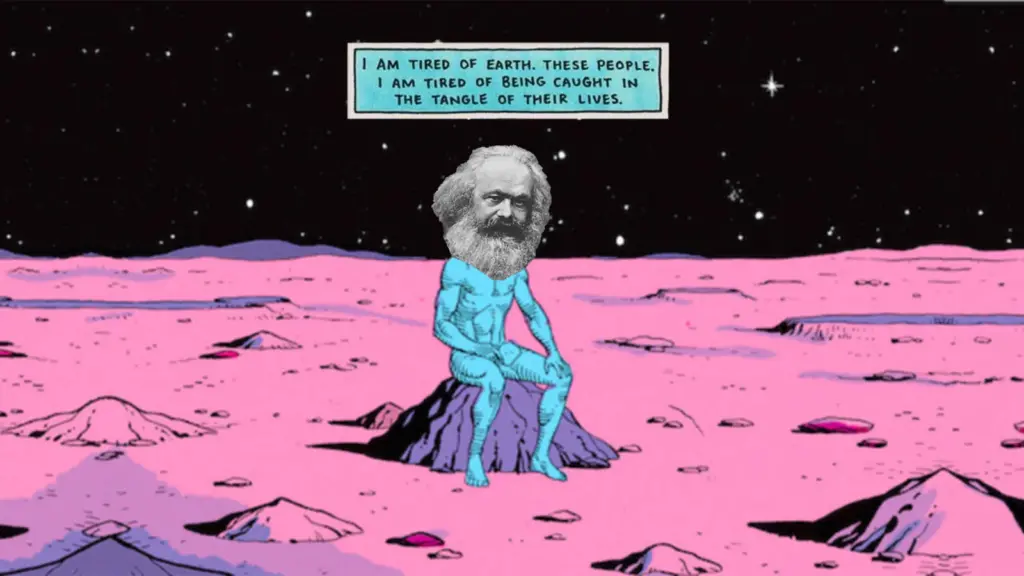
Karl Marx Dr. Manhattan Meme

Let’s explore how the show brilliantly illustrates each dimension through its dystopian workplace drama.

Alienation from the Product: What Are the Lumon Employees Actually Making?

In traditional Marxist theory, workers are alienated from the products they create because these products become someone else’s property. In “Severance,” this alienation reaches an extreme.

The Macrodata Refinement (MDR) department employees sort “scary numbers” into digital bins with:

No understanding of what these numbers represent

No knowledge of the final product

No comprehension of how their work affects the world

No ownership of what they produce

When Dylan asks, “What do we do here?” Mark can only reply, “We’re refiners. We refine.” This tautological explanation highlights their complete disconnection from their output.

Unlike factory workers who at least see the cars or clothes they make (even if they don’t own them), Lumon’s severed workers exist in a state of complete epistemological alienation. Their work is so abstracted that they can’t even articulate what they’re producing or why.

Alienation from Production: When Work Becomes Your Entire Existence

For Marx, alienation from the act of production occurs when work becomes an external, forced activity rather than a fulfilling expression of creativity. In “Severance,” this alienation becomes literal imprisonment.

The innies experience several extreme forms of production alienation:

Spatial confinement: They cannot leave their workplace—ever

Existential limitation: Their entire consciousness exists solely within Lumon’s walls

Temporal totality: They have no existence outside of working hours

Procedural absurdity: They perform tasks based on how numbers “feel,” a process they can’t explain

The severed workers don’t just work at Lumon—they only exist at Lumon. They have no life outside work because, for them, there is no outside. When Helly attempts suicide rather than return to work, she embodies the extreme of this alienation—preferring non-existence to continued labor under these conditions.

Alienation from Human Essence: The Severed Self

The most profound innovation of “Severance” is its literal severing of consciousness, creating the ultimate form of alienation from what Marx called “species-being”—our essential nature as creative, social beings who find fulfillment through meaningful work and community.

The severance procedure creates workers who are alienated from:

Personal history and identity

Family relationships and friendships

Creative expression and leisure

All context for their existence

When Irving discovers an outie life filled with painting—creative expression completely absent from his innie experience—we see this alienation in stark relief. His fundamental human essence, his creative nature, has been surgically removed from his work self.

This alienation is doubly tragic because the innies intuitively sense something is missing. As Dylan poignantly asks after glimpsing his outie’s child: “I have a fucking kid? And I don’t get to be with them?” He grasps that his humanity has been stolen to make him a more efficient worker.

Alienation from Others: Corporate Division by Design

Marx’s fourth dimension of alienation involves separation from other human beings. Capitalism transforms social relationships into market relationships, fostering competition rather than cooperation.

In “Severance,” Lumon deliberately manufactures division through:

Departmental segregation: Workers are physically separated

Induced paranoia: Departments are taught to fear each other

Regulated interaction: Social contact is strictly controlled

Prohibited fraternization: “Romantic fraternization” and “excessive discussion of personal lives” are forbidden

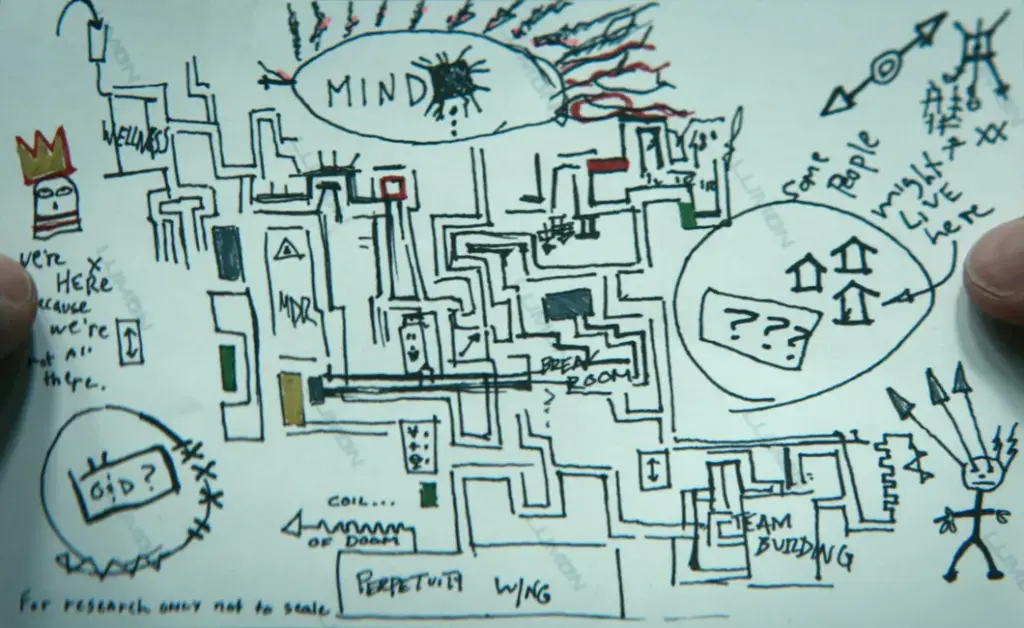
The “perpetuity wing” with its cult-like worship of Kier Eagan codifies this division as corporate dogma. The four “tempers” (woe, frolic, dread, malice) are kept separate in Kier’s mythology just as the departments are kept separate in the office layout.

A still from the perpetuity wing in Severance

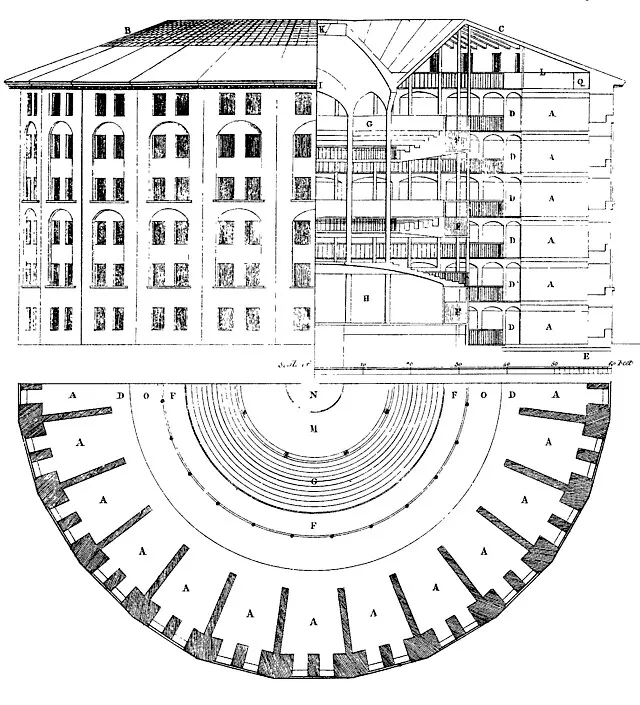
The Corporate Panopticon: Surveillance and Self-Policing

Building on Marx’s theory of alienation, Michel Foucault’s concept of the panopticon helps us understand how Lumon maintains control. In “Severance,” surveillance takes multiple forms:

Physical surveillance: Cameras and monitoring by management

Psychological surveillance: Break room “reintegration” sessions

Self-surveillance: Innies policing themselves, knowing outies may disapprove

When Dylan gains temporary consciousness in his outie life and discovers he has a son, it creates what we might call a bifurcated panopticon. His outie self becomes both jailer and judge, making decisions that his innie self must live with but cannot influence.

This surveillance extends to the most intimate possession—their own bodies. The innies are alienated from their physical selves, which become vessels temporarily occupied before being reclaimed by the outies at 5 PM.

Resistance Through Community: Finding Humanity in Connection

Despite this extreme alienation, the severed workers find ways to resist. Their rebellion emerges not through traditional labor organizing but through reclaiming their humanity through connection.

Key forms of resistance include:

Building relationships: Irving and Burt’s connection challenges departmental division

Sharing information: Mark and Helly’s mutual support and knowledge exchange

Creating meaning: Dylan’s obsession with perks and office trinkets

Asserting identity: Collective efforts to discover who they are beyond work

When Mark tells Helly, “The point is, we’re not just livestock. We’re people,” he articulates their fundamental resistance—a demand for recognition of personhood despite being created solely for labor.

The Break Room: Ideological Reprogramming and Total Control

The “break room” scenes represent perhaps the most disturbing extension of Marx’s theory. When Helly is forced to repeat “I am sorry for the trouble I have caused” until she genuinely “feels it,” we witness alienation from one’s own emotions and moral autonomy.

This goes beyond Marx’s concept of alienation and enters territory explored by later Marxist theorists:

Repressive desublimation: The channeling of desires into forms that reinforce control

Ideological state apparatuses: Institutions that indoctrinate subjects into dominant ideologies

Hegemonic consent: The manufacturing of agreement to one’s own exploitation

Lumon doesn’t just want the innies’ labor; it wants their complete psychological submission.

Consciousness as Commodity: The Ultimate Capitalist Frontier

“Severance” shows us that the final frontier of capitalism is not just the commodification of labor but the commodification of consciousness itself. The outies sell not just their time or skills but fragments of their very existence.

This represents what Marxist theorist Mark Fisher might call consciousness as commodity—the ultimate extension of capitalist logic, where subjective experience becomes a resource to be exploited, fragmented, and sold.

When Dylan tells his colleagues, “We’re not just parts of the whole; we are the whole,” he rejects this commodification. He asserts that the innies are not mere labor fragments but complete persons deserving of agency and self-determination.

What Can Severance Teach Us About Modern Work?

“Severance” doesn’t just illustrate Marx’s theory of alienation—it radically extends it for our contemporary moment. The show suggests that in our rush to compartmentalize work from life, we risk severing ourselves from our own humanity.

The series resonates because it reflects trends already in motion:

Work-life integration: The blurring of boundaries between professional and personal

Digital presenteeism: The expectation to be always available

Identity fragmentation: Maintaining different personas across contexts

Surveillance capitalism: The monitoring and commodification of human experience

Frequently Asked Questions About Marxist Themes in Severance

How does the severance procedure relate to Marx’s concept of alienation?

The severance procedure physically enforces the separation that Marx saw happening psychologically under capitalism. By literally splitting consciousness, it creates workers who experience the ultimate form of alienation—from their very selves.

What would Marx think of the “work-life balance” that severance claims to provide?

Marx would likely view the “work-life balance” promised by severance as the ultimate capitalist deception. Rather than truly balancing work and life, it completely subordinates one fragment of consciousness to labor while allowing another to believe it’s free.

How does Severance critique modern corporate culture?

The show critiques modern corporate culture by exposing its underlying logic: that workers are valued only for their productivity, not their humanity. The meaningless perks, corporate jargon, and wellness initiatives at Lumon parallel contemporary workplaces that offer superficial benefits while demanding ever more from employees.

What does Helly’s rebellion symbolize from a Marxist perspective?

Helly’s rebellion represents class consciousness—the awareness of one’s exploitation that Marx saw as necessary for revolutionary change. Her refusal to accept her condition, despite having no memory of choosing it, symbolizes the inherent human drive toward freedom and self-determination.

Conclusion: The Ultimate Question of Personhood Under Capitalism

The brilliance of “Severance” lies in how it transforms abstract Marxist theory into visceral human drama. By literalizing alienation through the severance procedure, the show forces us to confront fundamental questions about work, identity, and freedom.

As Helly desperately writes to her outie: “I’m a person. You can’t do this to me.” That plea articulates the essential struggle against alienation in all its forms. It’s not just a worker demanding better conditions; it’s a consciousness demanding the right to exist beyond its utility as labor.

In our increasingly fragmented, work-dominated world, “Severance” reminds us that Marx’s 175-year-old theory of alienation remains eerily relevant. Perhaps more than ever, we need to question systems that treat human beings as resources to be optimized rather than persons to be fulfilled.


What aspects of Marx’s theory of alienation do you see in your own work experience? Share your thoughts in the comments below.

Interested in more philosophical analyses of popular media? Check out our articles on The Greatest Concert You’ve Never Heard and Matt Johnson’s “Blackberry” as Modern Canadian History

Matt Johnson’s “Blackberry” as Modern Canadian History

What makes Matt Johnson’s “Blackberry” so important to Canadian art history


My job as an artist is to connect the myths of my country with the future

– Bjork.


That is a quote I first heard in an interview with Matt Johnson, the director of Blackberry, a movie about the invention of the world’s first smartphone in Waterloo, Ontario. Although Canada’s history is just as rich and diverse as many other nations we’re so accustomed to hearing about, it doesn’t get the same level of respect, at least from Hollywood’s perspective. So, when Matt Johnson set out to create the true story of Blackberry, he not only created one of the films of the year but also helped tell Canada’s story as a key player in modern history.


Of course, it’s the real-life Mike Lazaridis, Douglas Fregin, and Jim Balsillie who are responsible for the technological revolution that was Blackberry. However, as Yuval Noah Harari says, it’s the stories we tell that define us as humans.


You could never convince a monkey to give you a banana by promising him limitless bananas after death in monkey heaven.
― Yuval Noah Harari, Sapiens: A Brief History of Humankind


Therefore, without Matt Johnson’s exceptional storytelling of the drama of Blackberry, Canada’s prominence in the most recent technological revolution would still be a stone left unturned in the eyes of the public. The way Matt Johnson captures late 90’/early 00’s Ontario and the impending cyber-race led by a few Canadian nerds evokes nostalgia and inspiration that can be felt not only by our country’s people but by the world, for decades to come.


What Makes Blackberry Special?


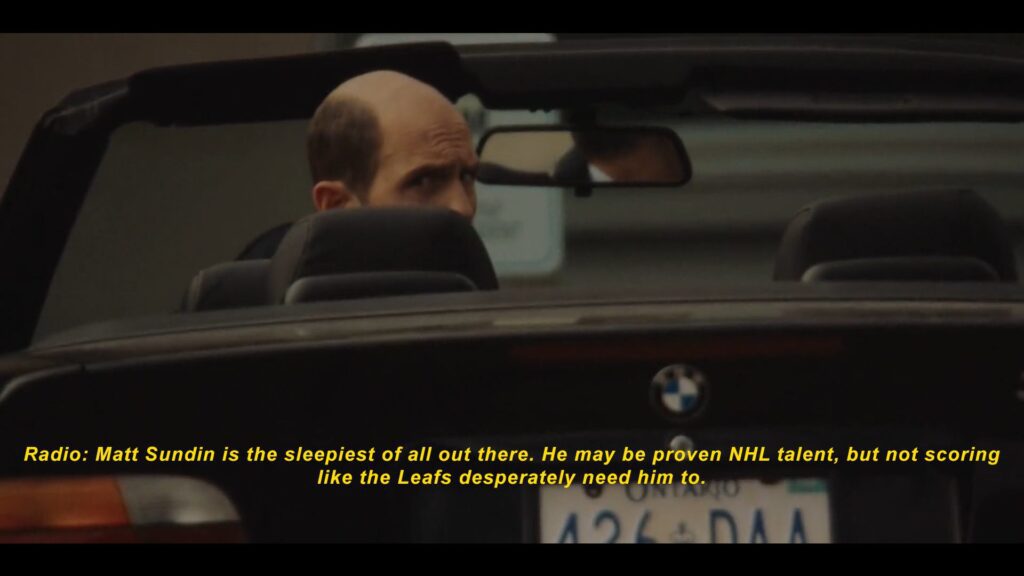
Starting from the very first shot in the film Matt Johnson places his Canadian audience into a time machine by relaying radio broadcasters’ commentary after a trademark Toronto Maple Leafs loss over a drive west on the 401. Anyone growing up in Ontario at this time is more than accustomed to hearing the groans of our city’s sportscasters over our car’s speakers early in the morning while driving through the endless factories and farmlands that make up this part of the highway.


This contrast making up the stretch of land from Toronto to Waterloo is the perfect analogy for Matt Johnson’s film. The way these obscene factories abruptly jam themselves in between and displace Canada’s abundant agriculture in the name of efficiency is very much akin to Jim Balsillie and the rest of Blackberry’s rise to glory, and their tragic demise.


We all know how the Industrial Revolution came to be, through its efficiency and stability it proved to be a better system than the agricultural systems dominating the world at the time. Blackberry used these same advantages to take over the phone market at the beginning of the 21st century. Led by the intellectual prowess of Mike Lazardis and the ruthless business skills of Jim Balsillie, Blackberry managed to mass-produce the most efficient and stable phone in the world from the little-known Canadian city of Waterloo.


If you’ve ever been to Waterloo you probably find it just as amazing as I do how Blackberry managed to (illegally) recruit the world’s smartest engineers and developers to this little city about an hour west of Toronto. Waterloo doesn’t have much going for it if you’re not a college student looking to drink the weekend away. Yet at the start of the 21st century, Waterloo, Ontario was the technological capital of the world.


Thanks to the tyranny of Jim Balsillie that would scare the likes of Dracula, the capital of Blackberry’s empire, Waterloo, Ontario, was thriving. Tech geniuses were migrating to the city by the hundreds to play their part in this technological revolution and venture capitalists were flying in their private jets begging Blackberry to take their money.


However, as soon as the company rose to fame, their hubris got the best of them, and they crashed and burned twice as fast. The trademark efficiency Blackberry became known for started to lag behind its competitors and its market share began to dwindle. To retake their position Blackberry sought greater levels of efficiency by moving their manufacturing to China, abandoning not only their Waterloo headquarters but their principles in the process.


“Made in China, the mark of the beast”

– Douglas Fregin (Blackberry, 2023)


One of the first sentences said by Matt Johnson’s character at the beginning of the film. Sure Blackberry’s move to China increased the quantity of their product, however, it was a critical blow to their quality. Cutting corners in respect of the chase for greater efficiency and profit margins is what brought Blackberry its success, but it’s what led to its downfall as well, making this story a Greek tragedy in every sense of the definition.

Blackberry as Canadian History


It’s important to remember Canada’s level of responsibility regarding the degree of technological innovation taking place today. Without Matt Johnson’s storytelling, this fact could easily slip through the cracks of history. This is why I find this film so important not just to Canadian film history, but to modern Canadian history.


I don’t mean to compare Blackberry to other great Canadian movies like Goin’ Down the Road (1970). However, that’s the beauty of art. You aren’t supposed to compare, merely to enjoy. That said I do think Matt Johnson did an incredible job bringing that Bjork quote to life; turning the myths of our country into the future through art.

The Godfather Part II & American Gothic

An example of Francis Ford Coppola’s brilliance.


Francis Ford Coppola’s 4 movie run is among the most impressive artistic feats in history. Within that run is 1974’s epic, “The Godfather Part II”, starring De Niro, Pacino, Duvall, Diane Keaton,  and much more.


The Godfather series is very Shakespearean. While the first tells the tragedy of Michael Corleone’s downward spiral by reluctantly following his father’s footsteps, Part II fleshes out Michael’s fall decades later. However, the real genius of Part II isn’t in Michael’s dealings with Hyman Roth, it is in the flashbacks of Michael’s father, how Don Vito came to be and his rise to glory.


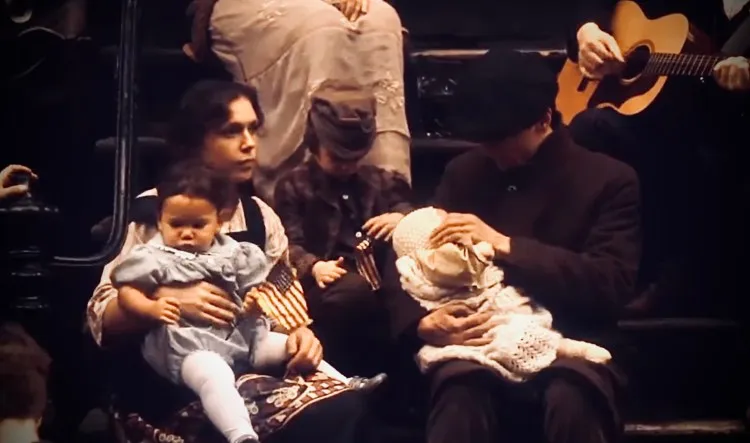
A scene from “The Godfather part II” directed by Francis Ford Coppola (1974)

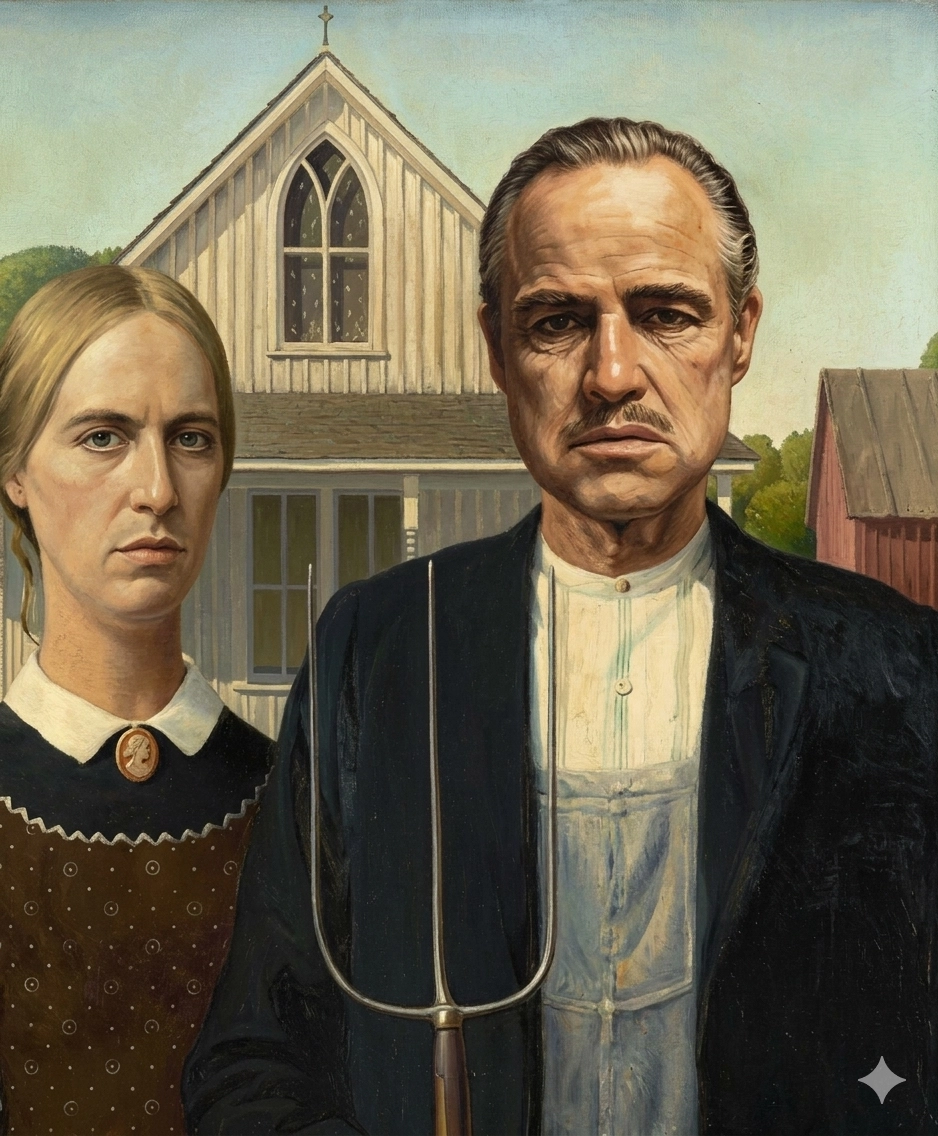
In the scene above, we see Vito cradling baby Michael with blood on his hands. This shot is moments after Vito assassinated the mobster oppressing his family. Yet, there is still a wave of pessimism in the air. The pessimism arises from Vito’s reality, he’s merely traded one form of oppression for another. Sure, he’s no longer under the mob’s thumb, but now he’s subject to the American capitalist spirit, the culture that permits you to take what’s yours in the name of freedom. The shot is eerily reminiscent of the famous painting “American Gothic” by Grant Wood, which depicts the steadfast, emotionless American spirit the rest of the world has become subject to.


Here, Vito tells Michael everything he’s done, is for him. This line captures the theme of the series; duty to family versus country. Vito, raised in the old country was taught family takes precedence.  Michael on the other hand, rejecting the sins of his father, saw the fight for freedom as the virtuous path, hence why he fought in WWII (against Italy). Vito didn’t want his son fighting for his country, nor did he want him to follow after him.  Ultimately though, Vito’s sins spill onto Michael, just like the blood on his hands. In the end, he’s left with a country fighting against him, and no family around to console him.


This mere frame captures the essence of The Godfather and is an example of why Coppola’s aesthetic eye rivals anyone in history.